

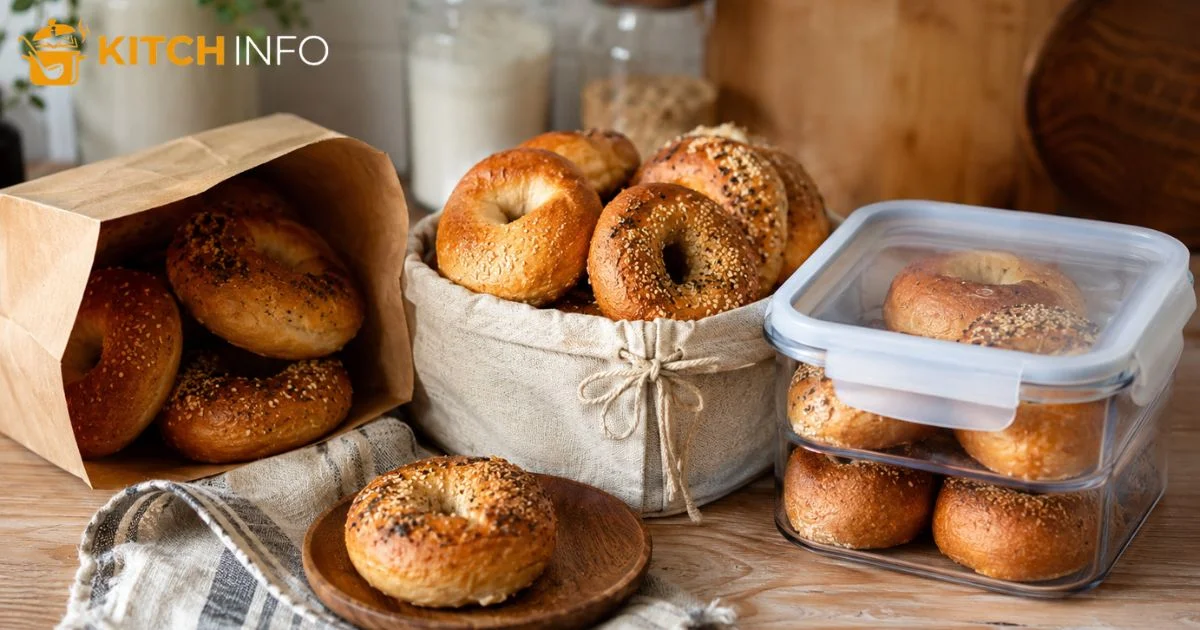
Knowing How to Store Sourdough Bagels properly is the key to enjoying their delicious flavor and chewy texture for as long as possible. Unlike regular bagels, Sourdough bagels are made through natural fermentation, giving them a rich taste, crisp crust, and tender interior that require the right care to preserve. Whether you bake them at home or buy them fresh from a local bakery, proper Sourdough storage helps maintain Freshness and prevents them from losing quality too quickly. By using the right storage methods, you can extend their Shelf life, reduce food waste, and ensure every bagel tastes just as satisfying as the day it was baked.
Why Proper Storage Matters for Sourdough Bagels
Freshly baked sourdough bagels have a crisp outside, a chewy center, and a rich flavor that develops through natural fermentation. These qualities are part of what makes them so enjoyable, but they also make proper storage important.
Once bagels are exposed to air, they begin to lose moisture. Over time, the inside becomes firm while the outside may become too hard. This process happens naturally with all bread products, but sourdough behaves differently because of the way it is made.
One of the biggest goals of proper bagel storage is preserving both flavor and texture. A well stored bagel keeps its pleasant chew without becoming overly tough or dry.
Good storage also helps reduce food waste. Instead of throwing away leftover bagels after a day or two, you can keep them in excellent condition for several more days or even months with the right approach.
Another benefit is maintaining food safety. While sourdough naturally resists spoilage better than many commercial breads, poor storage conditions can still encourage mould growth, especially in warm or humid environments.
Many people assume refrigeration is always the best choice, but that is not true for every type of bread. Knowing when to leave bagels on the counter and when to freeze them makes all the difference.
Proper storage is about protecting three important qualities.
| Quality | Why It Matters |
| Flavor | Keeps the rich sourdough taste intact |
| Texture | Helps maintain a chewy interior and pleasant crust |
| Freshness | Extends usability while reducing waste |
Even small storage mistakes can shorten the shelf life of your bagels. Fortunately, preventing these problems is simple once you understand how sourdough works.
Understanding What Makes Sourdough Bagels Different
Not all bagels are made the same. Traditional sourdough bagels are created using a natural starter instead of commercial yeast alone. This slower fermentation creates deeper flavor and changes how the finished product ages.
The natural acids formed during fermentation help improve Sourdough storage compared with many standard bakery products. These acids can slow certain types of spoilage, although they do not stop bread from becoming stale.
The Structure of Sourdough Bagels
A well made sourdough bagel has a firm crusty exterior and a pleasantly moist interior. Inside, the crumb remains slightly dense while still feeling tender enough to bite through comfortably.
This unique balance is one reason people enjoy homemade sourdough so much. However, it also means storage methods should protect both the outside and inside equally.
Too much air causes moisture loss.
Too much trapped moisture creates condensation.
Finding the right balance is the key.
Natural Fermentation Changes Storage Behavior
Unlike ordinary Bagels, sourdough develops organic acids during fermentation. These compounds help slow spoilage while contributing to the distinctive flavor people love.
Because of this, many sourdough products remain enjoyable at room temperature longer than breads made only with commercial yeast.
That does not mean they last forever. They will still eventually goes stale, especially if left uncovered.
Different from Regular Bread
Many people use the same storage method for every loaf or roll they bring home. While that can work, sourdough often benefits from slightly different handling.
For example, storing fresh sourdough in completely sealed plastic immediately after baking can trap excess moisture. This may soften the crust more than desired.
On the other hand, leaving it completely exposed allows it to dry out faster.
Finding the middle ground keeps the texture much closer to freshly baked quality.
Why Freshness Lasts Longer
The natural fermentation process helps support long term freshness compared with many supermarket bakery products.
This does not eliminate aging, but it slows it enough that careful storage becomes even more worthwhile.
Whether you bake every weekend or occasionally buy artisan sourdough, using proper storage methods allows you to enjoy each bagel over several days without sacrificing quality.
How to Store Sourdough Bagels for Maximum Freshness
The best storage method depends on how soon you plan to eat your bagels.
Some people finish them within two days.
Others like baking large batches to enjoy over several weeks.
Choosing the correct storage method for your timeline gives the best results.
Short Term Storage
If you plan to eat your bagels within two days, Short term storage at room temperature is usually the best choice.
Allow freshly baked bagels to cool completely before storing them.
Warm bread releases steam. Trapping that steam inside a container creates unwanted moisture that softens the crust.
Once cooled, place them into a breathable storage option rather than sealing them tightly while still warm.
Medium Term Storage
For bagels that will be eaten within several days, Medium term storage requires a little more protection from air without trapping excessive moisture.
The goal is slowing moisture loss while keeping the crust from becoming rubbery.
Depending on your kitchen conditions, this approach can maintain excellent quality for several days.
Longer Storage
If you baked a large batch, freezing is almost always the better solution.
Proper Freezing preserves flavor and texture much better than leaving bagels sitting on the counter for an extended period.
Many home bakers intentionally make extra batches specifically for freezing because the results are so reliable.
Keep Moisture Balanced
Moisture control is one of the most important parts of Bread storage.
Too much moisture softens the outside.
Too little moisture hardens the inside.
Good storage aims for a balance between airflow and protection.
Avoid Frequent Temperature Changes
Moving bagels repeatedly between warm and cool environments speeds up quality loss.
Instead, choose one storage method based on when you plan to eat them.
If frozen, keep them frozen until needed.
If stored at room temperature, leave them there until ready to enjoy.
This consistency helps preserve the original texture much better.
Best Way to Store Sourdough Bagels at Room Temperature

For most households in the United States, Room temperature storage is the preferred method for freshly baked sourdough bagels that will be eaten within a couple of days.
It preserves flavor better than refrigeration and keeps the chewy texture more enjoyable.
Let Them Cool First
Fresh bagels should always cool completely before being stored.
Even slightly warm bread continues releasing steam.
Sealing warm bagels too early creates condensation inside the storage container, making the crust soft.
Cooling usually takes one to two hours depending on room conditions.
Use a Paper Bag
A Paper bag is one of the simplest storage choices.
It allows some airflow while protecting the bagels from drying too quickly.
Many artisan bakeries package fresh bread this way because it helps preserve the crust during the first day.
Try a Linen Loaf Bag
If you regularly bake at home, a Linen loaf bag is another excellent option.
Natural fabric allows the bread to breathe while reducing moisture loss better than leaving bagels uncovered.
Many experienced bakers prefer this reusable solution for everyday storage.
When an Airtight Container Works
An Airtight container can work well if your home has a very dry climate.
It slows moisture loss significantly.
However, bagels must be completely cool before sealing them inside.
Otherwise, trapped steam can affect texture.
Using Plastic Carefully
A Plastic bag keeps moisture inside very effectively.
This prevents excessive drying but may soften the crust after a day.
Some people prefer this because they enjoy a softer bite.
Others prefer a crisper outside.
Both approaches work depending on personal preference.
Plastic Wrap and Foil
For individual bagels, Plastic wrap offers convenient protection if you plan to eat them soon.
Likewise, Foil can help reduce exposure to air while protecting against odors from nearby foods.
Neither option should be used while the bagels are still warm.
Keep Original Packaging When Appropriate
If your bakery uses breathable Original packaging, there is often no need to transfer the bagels immediately.
Many artisan bakeries choose packaging specifically designed to maintain freshness during the first day or two.
If the packaging becomes damp or damaged, move the bagels into another suitable storage option.
Keep Them Away from Heat
Store bagels in a cool, dry area away from direct sunlight.
Avoid placing them near the stove, dishwasher, or other heat producing appliances.
Warm conditions speed moisture loss and can shorten freshness.
Watch the Weather
Humidity affects storage.
Dry climates cause bagels to lose moisture faster.
Humid climates increase the chance of condensation.
Adjust your storage method based on your kitchen environment rather than using exactly the same approach year round.
Should You Refrigerate Sourdough Bagels?
Many people automatically place fresh bread into the refrigerator, believing it helps it stay fresh longer.
For sourdough bagels, that is usually not the best choice.
Refrigeration Can Speed Staling
Although Refrigeration slows mold growth, it also speeds up the process that makes bread feel firm and stale.
This happens because cooler temperatures encourage changes in the starch structure.
As a result, bagels often lose their enjoyable chew more quickly than if they had been stored at room temperature.
When the Refrigerator May Be Helpful
There are a few situations where refrigeration may make sense.
If your home is extremely hot and humid, refrigeration may help prevent spoilage for a short period.
However, quality may still decline faster than with freezing.
For most households, room temperature storage or freezing produces better results.
Better Alternative for Longer Storage
Instead of refrigerating, place cooled bagels inside a quality Freezer bag and store them in the Freezer if they will not be eaten within a few days.
This method preserves both flavor and texture much more effectively.
Some people like to Freeze whole bagels, especially if they enjoy larger sandwiches.
Others prefer to Freeze sliced bagels because they can be toasted directly from frozen.
Each method works well depending on how you plan to serve them later.
The next part will cover the best ways to thaw frozen sourdough bagels, restore their fresh baked texture, and enjoy them at their very best.
How to Freeze Sourdough Bagels Without Losing Texture

Freezing is the best choice when you want to keep sourdough bagels for more than a few days. Done correctly, it locks in flavor and helps preserve the chewy bite that makes these bagels so enjoyable.
The most important step is allowing the bagels to cool completely before placing them in the freezer. Any trapped warmth can create ice crystals that affect the texture later.
If you plan to eat one bagel at a time, wrap each one separately before placing them together in a freezer safe bag. This makes it easy to remove only what you need without exposing the rest to repeated temperature changes.
Try to remove as much air as possible before sealing the bag. Less air helps reduce freezer burn and keeps the bagels tasting fresher.
For the best quality, enjoy frozen bagels within about three months. They remain safe beyond that if continuously frozen, but the flavor and texture are usually at their best during this period.
Label the package with the freezing date. This simple habit makes it easier to use older batches first.
How to Thaw and Reheat Sourdough Bagels Properly

Bringing frozen bagels back to life is just as important as storing them correctly. A little care during reheating can make them taste surprisingly close to freshly baked.
Let Them Thaw Naturally
The easiest method is to let a frozen bagel Thaw at room temperature for about one to two hours.
Once softened, it is ready to enjoy or warm further.
Warm Them in the Oven
To restore a crisp outside and soft center, place the bagel in the Oven for several minutes at 350°F, which is 180°C.
This gentle heat helps Revive texture without making the bagel overly dry.
If the crust seems a little firm after storage, lightly dampening the outside with clean water before warming can improve the result.
Toast for a Quick Breakfast
If your bagel was cut before freezing, you can place it directly into the toaster.
A quick Toast creates a crisp surface while keeping the inside pleasantly chewy.
This method is especially convenient during busy mornings.
Refresh Older Bagels
Bagels that have become slightly firm do not always need to be thrown away.
A short Oven bake can help with Refreshing the crust and center.
Many home bakers also describe this process as Regenerating the bread because it restores much of the original eating experience.
Common Storage Mistakes That Make Bagels Go Stale Faster
Even excellent sourdough bagels can lose quality quickly if stored incorrectly. Fortunately, these mistakes are easy to avoid.
One common mistake is storing warm bagels immediately after baking. The trapped steam creates excess moisture that softens the outside.
Another mistake is leaving bagels uncovered on the kitchen counter. Constant exposure to air causes moisture to escape much more quickly.
Keeping bagels near heat sources such as sunny windows or warm appliances also speeds up quality loss.
Repeatedly freezing and thawing the same batch should also be avoided. Each cycle reduces moisture and changes the texture.
Many people refrigerate bagels thinking it extends freshness. As discussed earlier, this often has the opposite effect on texture.
Finally, storing bagels with strongly scented foods can allow them to absorb unwanted odors, affecting their flavor.
How to Tell If a Sourdough Bagel Has Gone Bad
Although sourdough naturally keeps well, every bagel eventually reaches the point where it should not be eaten.
The first thing to check is appearance.
If you notice fuzzy spots, unusual colors, or visible mold, discard the entire bagel immediately.
Next, smell the bagel.
A fresh sourdough aroma should be mild and pleasant. If you notice a sour odor that seems unusual, musty, or unpleasant, it is safest to throw it away.
Texture also provides useful clues.
A firm bagel is not necessarily spoiled. It may simply need reheating.
However, if it feels unusually sticky, slimy, or excessively damp, it should not be eaten.
When in doubt, it is always better to replace the bagel than risk eating spoiled food.
Conclusion
Proper storage is one of the easiest ways to enjoy sourdough bagels at their very best. By choosing the right method based on how soon you plan to eat them, you can preserve their flavor, chewy texture, and overall quality while reducing unnecessary food waste.
For everyday use, storing cooled bagels at room temperature works well for a few days. If you need to keep them longer, freezing is the most reliable option for maintaining freshness. When it is time to enjoy them again, careful thawing and gentle reheating help restore much of the taste and texture that make sourdough bagels so satisfying.
With these simple storage practices, every batch can stay delicious from the first bite to the last.
FAQS
How do you keep sourdough bagels fresh?
Store sourdough bagels in a paper bag or airtight container at room temperature, or freeze them for longer freshness.
Should I refrigerate my sourdough bagels?
No, refrigeration makes sourdough bagels go stale faster, so freezing is the better option for long term storage.
Is it better to store bagels in paper or plastic?
Paper is best for short term storage, while plastic is better for freezing or preventing excessive moisture loss.
Is it better to refrigerate bagels or leave them out?
It is better to leave bagels out at room temperature for up to a few days rather than refrigerating them.
How long can bagels stay unrefrigerated?
Bagels can stay unrefrigerated for about two to three days when stored properly in a cool, dry place.

Muhammad Ali writes about baking and recipes at kitchinfo. He researches techniques from trusted bakers, cookbooks, and culinary experts, and turns them into clear, step-by-step guides . so bakers of every skill level can get great results without the confusion.