

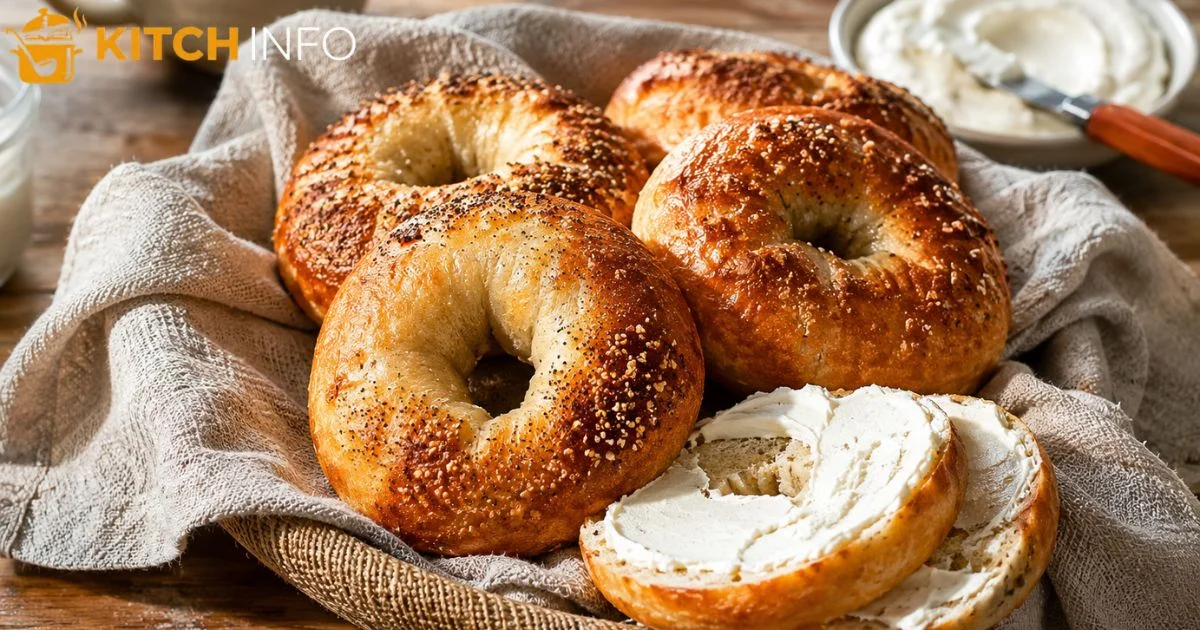
Nothing beats the taste of fresh homemade bagels, and this Sourdough Bagels Recipe is the perfect way to enjoy them with rich flavor and an authentic bakery style texture. Made with a healthy
sourdough starter and a naturally fermented dough, these bagels develop a deep, slightly tangy taste that commercial yeast simply cannot match. Using bread flour, an active sourdough starter, and a simple baking process, you can create bagels with a soft center, a delightfully chewy texture, and a beautifully crispy crust. Whether you are baking for breakfast, brunch, or meal prep, this Sourdough Bagels Recipe delivers reliable, delicious results that your whole family will love.
Why You’ll Love This Sourdough Bagels Recipe

There are many reasons why home bakers fall in love with making sourdough bagels from scratch. They offer a combination of fresh flavor, satisfying texture, and simple ingredients that are difficult to match with store bought options.
Rich Flavor From Natural Fermentation
Unlike quick recipes that use commercial yeast, this recipe depends on natural fermentation. During this process, the dough develops a deeper flavor with a mild tang that perfectly balances the sweetness in the recipe.
The longer development also improves the overall taste without adding extra ingredients. Every bite has a more complex flavor that continues to improve after baking.
A Perfect Chewy Texture
One of the biggest reasons people love authentic bagels is their signature chew. The carefully prepared dough creates the classic chewy texture that makes every slice satisfying.
Instead of feeling soft like sandwich bread, these bagels have a firm bite while remaining tender inside.
Beautiful Crispy Outside
After a quick boil and bake, the exterior develops a lightly crispy crust that gives homemade bagels their classic finish.
The contrast between the crisp outside and soft interior creates the texture people expect from traditional bagels found in artisan bakeries.
Naturally Made With Active Starter
This recipe uses an active sourdough starter that has been recently fed and is full of healthy natural yeast. A lively starter helps the dough rise properly while creating consistent flavor throughout the batch.
Many experienced bakers recommend using the starter when it has reached its highest point after feeding for the best baking performance.
Great For Weekend Baking
Although this recipe takes time, most of that time is hands off waiting while the dough develops naturally.
The flexible timeline makes it easy to prepare the dough one day and bake fresh bagels the next morning.
Bakery Quality Results At Home
With the right techniques, home bakers can produce beautiful artisan bagels without expensive equipment or professional training.
The finished bagels have an attractive shape, glossy surface, and balanced flavor that rivals many local bakeries.
Easy To Customize
Once you master the basic recipe, you can create countless varieties using different toppings and flavors.
Classic options include everything bagel seasoning, sesame seeds, poppy seeds, or even shredded cheese for extra flavor and texture.
Fresh Ingredients You Can Trust
When you bake at home, you know exactly what goes into every batch.
There are no unnecessary preservatives or artificial ingredients, only wholesome pantry staples combined with natural fermentation.
Ingredients You’ll Need

Great bagels begin with great ingredients. Every ingredient serves an important purpose, and understanding how each one works helps produce consistent results.
| Ingredient | Purpose |
| Bread flour | Builds strong gluten for structure and chew |
| Water | Hydrates the dough |
| Active starter | Provides natural fermentation |
| Honey | Adds mild sweetness and supports browning |
| Granulated sugar | Balances flavor and helps the crust color |
| Fine sea salt | Strengthens gluten and enhances taste |
Bread Flour
High quality bread flour is one of the most important ingredients in this recipe.
Because it contains more protein than regular flour, it develops stronger gluten, creating the dense yet tender structure that bagels are known for.
Using bread flour also helps the dough hold its shape during boiling and baking.
Can You Use All Purpose Flour
If bread flour is unavailable, all purpose flour can work, although the texture will be slightly softer.
Many home bakers successfully use it with good results, but bread flour remains the preferred choice for authentic bagels.
Water
Clean water hydrates the flour and activates gluten development.
The amount of water affects the dough consistency, so measuring carefully is important for repeatable results.
Active Starter
Your active starter should be bubbly, healthy, and recently fed before mixing the dough.
A weak starter often produces slower fermentation and denser bagels.
Honey
A small amount of honey adds gentle sweetness while encouraging even browning during baking.
Many traditional bagel recipes also include honey in the boiling liquid because it contributes to a glossy crust.
Granulated Sugar
A little granulated sugar balances the flavor and supports color development in the oven.
The amount is small enough that the finished bagels do not taste overly sweet.
Fine Sea Salt
Fine sea salt strengthens gluten while improving the overall flavor of the dough.
Never skip the salt because it plays an important role in dough structure as well as taste.
Tools And Equipment
Having the right equipment makes the entire baking process easier and more enjoyable.
Fortunately, most of these tools are already found in many American kitchens.
Kitchen Scale
A kitchen scale provides the most accurate measurements.
Since flour can vary greatly when measured by volume, weighing ingredients helps create consistent dough every time.
Measuring Cup
A measuring cup is useful for liquids if you are not weighing every ingredient.
Accurate liquid measurements help maintain the correct dough consistency.
Stand Mixer
Although kneading by hand works well, a stand mixer saves time and effort.
It also helps develop gluten more evenly when preparing larger batches.
Dough Hook
If using a mixer, attach the dough hook to knead the dough efficiently without overworking your hands.
Bench Scraper
A bench scraper is one of the most useful baking tools.
It helps lift sticky dough, clean the work surface, and portion dough evenly before shaping.
Baking Sheet
A sturdy baking sheet supports even baking and prevents warping at high temperatures.
Heavy aluminum sheets generally produce the best results.
Parchment Paper
Lining the pan with parchment paper prevents sticking and makes cleanup much easier.
It also allows the bagels to transfer smoothly into the oven.
Stockpot
A large stockpot gives the bagels plenty of room while boiling.
Crowding the pot may lower the water temperature and reduce consistency.
Mesh Strainer
A mesh strainer makes removing the boiled bagels simple and safe without damaging their shape.
How To Make Sourdough Bagels Recipe

Making bagels is easier when you understand each stage before you begin.
Following the process in order allows the dough to develop properly while producing reliable results.
Feed Your Starter
Begin by feeding your starter several hours before mixing.
A healthy bubbly starter should rise well and become airy before it is ready to use.
Mix The Dough
Combine the flour, water, starter, sweeteners, and salt.
Now mix the dough until no dry flour remains.
The dough will feel much firmer than sandwich bread dough, which is completely normal for bagels.
Knead The Dough
Continue to knead the dough until it becomes smooth and elastic.
This step develops the gluten needed for the classic bagel texture.
Whether using a mixer or kneading by hand, avoid rushing this stage.
Understanding Dough Consistency
Bagel dough should feel like a stiff dough rather than a soft bread dough.
Its firmness helps the bagels hold their round shape during boiling and baking.
If the dough feels unusually sticky, avoid adding large amounts of extra flour immediately.
Instead, give it a few minutes of kneading because the texture often improves as gluten develops.
Bulk Rise
Allow the dough to begin its bulk rise in a covered bowl.
The exact timing depends on both the strength of your starter and your kitchen conditions.
Watch The Temperature
Both room temperature and ambient temperature affect fermentation speed.
Warmer kitchens shorten rising time, while cooler kitchens require more patience.
Rather than watching only the clock, pay attention to how the dough looks and feels.
Divide The Dough
Once fermentation has progressed, divide the dough into equal portions.
Using even weights ensures every bagel bakes at the same rate.
Shape The Bagels
Next, shape the bagels into smooth rounds with a hole in the center.
Try to keep each bagel uniform so they bake evenly.
Second Rise
Place the shaped bagels onto a prepared baking sheet for the second rise.
They should become slightly puffier without losing their shape.
Overnight Fermentation
Many bakers prefer an overnight fermentation in the refrigerator.
This slower development creates richer flavor while fitting easily into a busy schedule.
Proof The Dough Carefully
As you proof the dough, avoid waiting too long.
Overproofing can weaken the dough and reduce the final texture.
The goal is lightly expanded dough rather than dramatically increased volume.
Recognizing Ready Bagels
Properly risen bagels become puffy bagels with a smooth appearance.
They should still feel firm enough to handle gently before boiling.
Prepare The Water Bath
Fill a large pot with enough water to create a water bath for boiling.
Bring the boiling water to a gentle but steady boil before adding the bagels.
Boil Bagels
Carefully boil bagels for a short time on each side.
This traditional step creates the characteristic chewy crust while helping the bagels maintain their shape.
Bake Bagels
Transfer the boiled bagels onto the prepared baking sheet.
Now bake bagels until they become evenly golden brown with a firm crust and fully cooked interior.
Understanding Hydration
The dough’s hydration plays an important role in texture.
Bagels use less water than many bread recipes, creating the dense structure they are known for.
The correct hydration level helps produce bagels that are easy to shape and pleasant to chew.
Adjusting For High Humidity
If you bake in areas with high humidity, flour may naturally absorb additional moisture.
In those conditions, small adjustments during mixing may help maintain the proper dough consistency.
Sample Baking Schedule
One of the biggest advantages of sourdough baking is flexibility.
The schedule below works well for many home bakers while allowing plenty of time for natural fermentation.
| Time | Activity |
| 8:00 AM | Feed the starter |
| 1:00 PM | Mix and knead the dough |
| 1:30 PM | Begin bulk rise |
| 6:00 PM | Divide and shape the bagels |
| 6:30 PM | Refrigerate for overnight fermentation |
| Next Morning 8:00 AM | Boil and bake the bagels |
This schedule is only a starting point.
The strength of your starter and the temperature of your kitchen may require slight adjustments. Learning how your dough behaves is one of the most valuable skills in sourdough baking, and the next part will continue with tips for achieving consistent results, troubleshooting common problems, storing leftovers, and enjoying freshly baked bagels at their very best.
Expert Tips for Perfect Chewy Bagels

Small details can make a big difference when baking bagels. These practical tips will help you achieve consistent results with every batch.
Start With a Healthy Starter
A starter that is strong and ready to use gives the dough enough natural power to rise well. If it is weak or sluggish, the finished bagels may turn out dense.
A simple way to check readiness is to make sure the starter has doubled in size after feeding before you begin mixing the dough.
Be Patient With the Process
Natural fermentation takes longer than recipes made with commercial yeast. Resist the urge to rush the dough.
Allowing enough time for each stage helps develop better flavor and texture.
Keep Your Dough Portions Even
Using equal sized pieces creates bagels that bake at the same rate.
If some pieces are much larger than others, you may end up with uneven results.
Avoid Too Much Extra Flour
It is normal for the dough to feel firm.
Adding unnecessary flour can make the finished bagels dry instead of pleasantly chewy.
Give the Bagels Enough Space
Arrange the shaped bagels with enough room between them on the pan.
This allows air to circulate and prevents them from sticking together during the final rise.
Flavor Variations And Topping Ideas
Once you are comfortable with the basic recipe, it becomes easy to create new flavors for breakfast, lunch, or snacks.
Classic Favorites
Plain bagels are always a great choice because they pair well with almost any spread or sandwich filling.
For a traditional breakfast, serve them with cream cheese, butter, or fruit preserves.
Savory Options
Garlic, onion flakes, dried herbs, and cracked black pepper all add delicious flavor.
These choices also work well for breakfast sandwiches filled with eggs, cheese, or smoked salmon.
Sweet Choices
For a sweeter version, sprinkle cinnamon and a little sugar over the top before baking.
You can also add raisins or dried blueberries directly into the dough for extra flavor.
Family Friendly Ideas
Children often enjoy simple cheese topped bagels or lightly sweetened cinnamon varieties.
Making several flavors in one batch lets everyone choose their favorite.
Common Mistakes to Avoid
Even experienced bakers occasionally make mistakes. Knowing what to watch for can help you avoid common problems.
| Mistake | Result | Simple Fix |
| Using a weak starter | Dense bagels | Feed the starter until active |
| Skipping the boil | Soft crust | Always boil before baking |
| Adding too much flour | Dry texture | Measure carefully |
| Baking at the wrong temperature | Poor color | Fully preheat the oven |
| Leaving dough too long | Flat bagels | Watch the dough instead of the clock |
One issue many beginners face is overproofed dough. When dough rises for too long, it loses strength and may spread instead of holding its shape.
Another common mistake is removing the bagels from the oven too early. The crust should have a rich color and feel firm before cooling.
Cooling is also important. Fresh bagels continue setting inside for several minutes after baking. Let them rest before slicing for the best texture.
Storage, Freezing And Reheating

Fresh bagels are always best on the day they are baked, but proper storage helps maintain their quality.
To store bagels, keep them in an airtight container or sealed bag at room temperature for up to two days.
For longer storage, freeze bagels after they have completely cooled. Wrapping them individually makes it easy to remove only what you need.
When you are ready to enjoy one, reheat bagels directly from frozen in a toaster or a warm oven until heated through. This helps restore the crisp outside and soft interior.
Avoid storing bagels in the refrigerator because they tend to become stale more quickly.
Conclusion
Making sourdough bagels at home is a rewarding baking project that combines simple ingredients with time tested techniques. While the process requires patience, every step contributes to the rich flavor, satisfying chew, and beautiful crust that make these bagels so special.
As you gain experience, you will become more confident in reading your dough and adjusting the process to fit your kitchen and schedule. Soon, baking fresh bagels can become part of your regular routine, whether you are preparing breakfast for your family or stocking the freezer for busy mornings.
With careful preparation, quality ingredients, and consistent practice, this sourdough bagels recipe will help you create delicious homemade bagels that are every bit as enjoyable as those from your favorite neighborhood bakery.
FAQS
Can I use my sourdough dough to make bagels?
Yes, if your sourdough dough is firm enough, you can shape, boil, and bake it into delicious bagels.
Are sourdough bagels healthier than regular bagels?
Sourdough bagels may be easier to digest and have a lower glycemic impact due to natural fermentation, but they should still be enjoyed in moderation.
How to make sourdough bread for diabetics?
Use whole grain flour, a long fermentation time, and avoid added sugars to create a more diabetes friendly sourdough bread.
How to make sourdough bagels at home?
Mix the dough with an active sourdough starter, let it ferment, shape the bagels, boil them briefly, and bake until golden brown.
Do sourdough bagels taste better?
Many people prefer sourdough bagels because they have a richer flavor, a pleasant tang, and a chewier texture than regular bagels.

Muhammad Ali writes about baking and recipes at kitchinfo. He researches techniques from trusted bakers, cookbooks, and culinary experts, and turns them into clear, step-by-step guides . so bakers of every skill level can get great results without the confusion.