

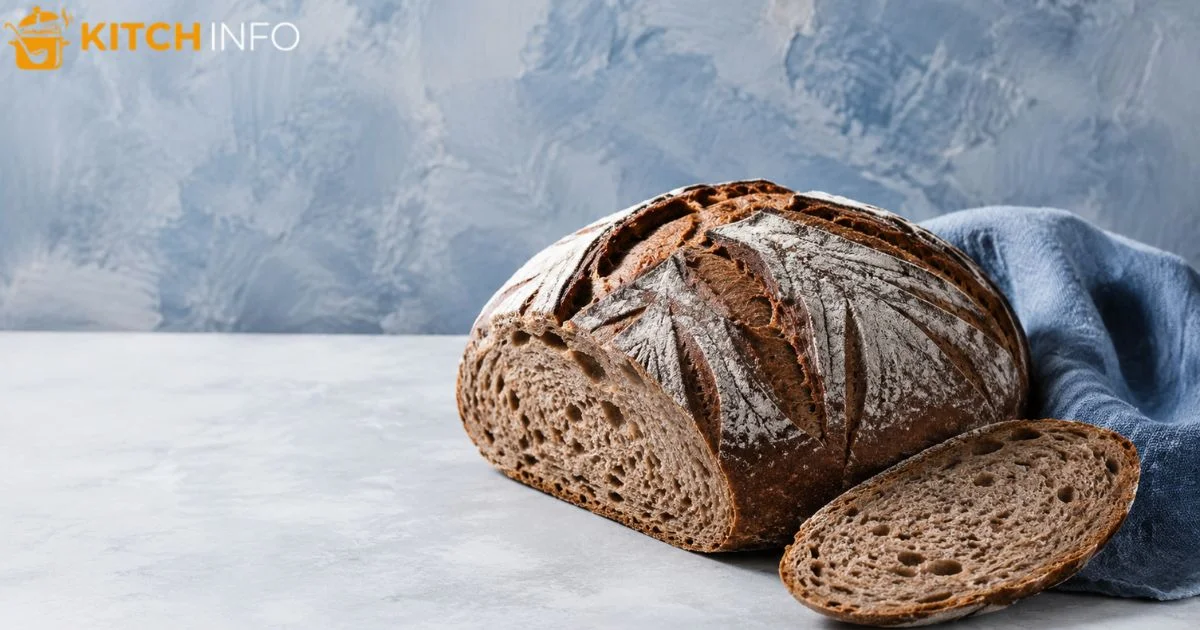
If you are wondering what is sourdough rye bread, it is a traditional style of bread made through natural fermentation using a live sourdough starter and nutrient rich rye flour. This artisan sourdough is known for its deep flavor, hearty structure, and long lasting freshness compared to regular bread. Unlike standard loaves, it relies on fermentation instead of commercial yeast, which develops a rich and slightly tangy taste over time. The combination of rye grain and slow baking methods creates a dense yet satisfying texture that many Americans enjoy for sandwiches or toast. Its nutritional profile and rustic character make it a favorite in homemade bread baking across the USA.
What Is Sourdough Rye Bread?
If you have ever wondered what is sourdough rye bread, the simple answer is that it is a naturally fermented bread made with rye and a live culture instead of commercial yeast. This type of bread has been enjoyed for centuries because of its rich taste, hearty texture, and long shelf life. It combines traditional bread making methods with the unique qualities of rye to create a loaf that stands out from ordinary bread.
Sourdough rye bread is popular across many parts of the world, but it has gained a strong following in the United States as more people become interested in baking and healthier food choices. Home bakers and professional bakeries both appreciate how this bread develops deep flavor over time without relying on packaged yeast.
Unlike many everyday loaves, sourdough rye bread gets its rise from a sourdough starter. This living culture contains wild yeast and beneficial bacteria that naturally ferment the dough. The slow process creates a more developed taste while giving the bread its well known character.
Although recipes can vary, most loaves include rye flour along with other flours to balance flavor and structure. Some bakers create bread with a small amount of rye, while others use a much larger percentage for a stronger rye taste.
People often choose sourdough rye bread because it feels more satisfying than standard white bread. It works well for breakfast, lunch, or dinner and pairs beautifully with soups, salads, meats, cheeses, and fresh vegetables.
Its growing popularity is not just about taste. Many people appreciate the traditional baking methods, simple ingredients, and naturally developed flavor that make every loaf feel special.
What Makes Rye Flour Different From Regular Wheat Flour?
Rye has been cultivated for thousands of years and remains one of the world’s oldest bread grains. While it may look similar to wheat, it behaves very differently during bread making.
Understanding these differences helps explain why sourdough rye bread has its own unique texture, flavor, and appearance.
Rye Has a Different Grain Structure
The biggest difference begins with the grain itself. Rye contains a different balance of starches, proteins, and natural fibers than wheat. These differences change how dough develops during mixing and fermentation.
Because of its composition, rye absorbs water differently and creates dough that often feels softer and stickier than traditional wheat dough.
Gluten Works Differently in Rye
Wheat bread depends heavily on strong gluten to trap gas and create a light loaf. Rye also contains proteins, but they do not build the same elastic network found in wheat.
For this reason, many recipes combine rye with bread flour. The added wheat proteins help support the loaf while allowing the rye flavor to remain noticeable.
Some recipes also include whole wheat flour, which contributes additional flavor and creates a heartier loaf without overpowering the rye.
Rye Holds More Moisture
One reason rye bread stays fresh longer is its ability to retain water.
This creates a pleasantly moist texture that remains enjoyable even several days after baking. Many people notice that rye bread feels less dry than ordinary sandwich bread as it ages.
Rye Offers a Richer Flavor
Rye brings an earthy taste that many people describe as warm, slightly nutty, and mildly sweet.
Instead of tasting plain, rye develops layers of flavor that become even more noticeable after fermentation. These natural characteristics make rye a favorite choice for traditional bread recipes around the world.
Color Changes With Rye Content
The amount of rye used influences the final appearance.
Bread made with a small percentage of rye often looks similar to wheat bread. Higher rye percentages produce darker loaves with deeper color and a more rustic appearance.
The baking process also contributes to the beautiful exterior that many artisan loaves are known for.
| Feature | Sourdough Rye | Wheat Sourdough | Commercial Rye (Store-Bought) |
|---|---|---|---|
| Fermentation | Wild yeast, 8–24 hrs | Wild yeast, 8–18 hrs | Commercial yeast, 1–2 hrs |
| Fiber (per slice, approx.) | ~3g | ~1.5g | ~1g |
| Glycemic Response | Slower | Moderate | Faster |
| Shelf Life | 5–6 days | 3–4 days | 7+ days (preservatives added) |
| Texture | Dense, moist crumb | Airy, open crumb | Uniform, soft |
| Flavor | Earthy, tangy | Mildly tangy | Mild, often flat |
Why Rye Is Commonly Used in Sourdough Baking

Rye and sourdough have worked together for generations because each supports the other in unique ways.
Many experienced bakers believe rye creates one of the most flavorful naturally fermented breads available.
Rye Supports Natural Fermentation
Wild yeast and beneficial bacteria thrive in rye based dough.
This makes rye an excellent choice for maintaining an active starter because it contains nutrients that help support healthy microbial activity.
Many home bakers even feed their starter with rye during regular maintenance because it often becomes lively and predictable.
The Acidity Benefits Rye Dough
The acids produced during fermentation help improve the overall structure of rye bread.
Without this natural process, rye dough can become difficult to manage. The slow fermentation helps stabilize the dough while enhancing flavor and aroma.
Flavor Becomes More Complex
One reason sourdough rye bread tastes so different from regular rye bread is the slow development of flavor.
As the dough ferments, natural compounds continue to change, creating a complex flavor that cannot be achieved through fast rising methods.
Instead of one simple taste, every bite offers subtle layers that continue to develop after baking.
Traditional Baking Methods Fit Rye Perfectly
For centuries, communities across Europe relied on rye because it grew well in cooler climates where wheat struggled.
As a result, sourdough became the preferred way to bake rye bread long before commercial yeast became widely available. These traditional methods remain popular today because they consistently produce excellent results.
Flavor, Texture, and Appearance of Sourdough Rye Bread

One of the biggest reasons people fall in love with sourdough rye bread is the complete eating experience.
From the first slice to the last bite, every part of the loaf offers something unique.
A Rich and Pleasant Flavor
Sourdough rye bread is known for its balanced taste.
Many people notice a gentle tangy flavor created by natural fermentation. This mild sourness blends with the earthy character of rye instead of overpowering it.
Depending on the recipe, small amounts of honey may be added to create a softer sweetness that balances the natural acidity.
A Hearty Yet Tender Interior
Unlike airy white bread, rye sourdough usually has a more satisfying bite.
The inside often develops a chewy crumb that feels substantial without becoming tough. Good fermentation and careful baking help keep the interior tender while maintaining its structure.
A Beautiful Exterior
One of the first things people notice is the attractive crust.
Many artisan loaves develop a thick rustic crust that becomes crisp after baking. As the loaf cools, the crust often makes gentle cracking sounds that bakers love to hear.
With proper baking, the loaf may also develop a deeply browned crust, giving it an appealing handcrafted appearance.
Tiny surface blisters sometimes appear on well fermented loaves. Many bakers consider these small bubbles a sign of excellent fermentation and careful proofing.
A Rustic Appearance
No two loaves look exactly alike.
Each loaf develops its own shape, crust patterns, and natural character, making every bake feel unique. This handcrafted appearance is one reason many people appreciate artisan sourdough over mass produced bread.
Health Benefits of Sourdough Rye Bread
Many people choose sourdough rye bread not only because it tastes good but also because it offers several nutritional advantages compared with many highly processed breads.
While no single food is perfect, sourdough rye bread can fit well into a balanced diet.
Rich in Dietary Fiber
Rye naturally contains more fiber than many refined wheat flours.
Fiber helps support healthy digestion and may help people feel full for longer after meals. This is one reason rye bread is often considered a satisfying choice for breakfast or lunch.
Naturally Fermented Bread
The slow process used to make sourdough allows beneficial bacteria to work on the dough over many hours.
Because the bread is naturally fermented, some people find it easier to enjoy than quickly made breads, although individual experiences vary.
Valuable Nutrients
Rye provides important vitamins, minerals, and plant compounds that contribute to its overall nutritional profile.
These nutrients support a healthy eating pattern when combined with fruits, vegetables, lean proteins, and other whole foods.
Steadier Energy
Many people report that rye bread helps them stay satisfied longer than highly refined white bread.
Its combination of fiber and slow fermentation may contribute to a more gradual release of energy throughout the day.
Fits Many Meals
Sourdough rye bread is extremely versatile.
It works well as sandwich bread for everyday lunches or as deli bread for classic favorites like turkey, pastrami, or corned beef.
It also pairs wonderfully with homemade soups, smoked salmon, roasted vegetables, and fresh cheeses.
For lighter meals, many people enjoy it topped with egg salad sandwich fillings, crisp lettuce, or flavorful pickled red onions.
How Sourdough Rye Bread Is Made

Although sourdough rye bread looks impressive, the basic process follows a series of careful steps that work together to create the final loaf.
Every stage plays an important role in flavor, texture, and appearance.
Mixing the Ingredients
Most recipes begin by combining flour, water, and starter.
Depending on the desired texture, bakers may include high gluten flours alongside rye to strengthen the dough.
A typical recipe also includes fine sea salt, which enhances flavor while helping control fermentation.
The amount of water determines the overall dough hydration, which influences how soft or firm the dough becomes during mixing.
Autolyse Improves Dough Development
Some bakers begin with an autolyse period before adding all ingredients.
During this short resting stage, the flour absorbs water and begins developing naturally. This simple step often makes the dough easier to handle later.
Building Strength During Fermentation
Once mixed, the dough enters bulk fermentation.
Instead of heavy kneading, many bakers strengthen the dough using gentle stretch and folds at regular intervals.
These movements help organize the dough while encouraging better gluten development without excessive mixing.
Shaping the Loaf
After fermentation, the dough is carefully prepared for its final form.
Proper shaping creates surface tension that helps the loaf rise evenly while maintaining an attractive appearance during baking.
Many bakers place the shaped dough into an oval banneton, although round baskets are also common.
The Final Rise
The dough then undergoes its final rise, also called proofing.
During this stage, the dough slowly expands while continuing to build flavor before entering the oven.
Preparing for Baking
Just before baking, many bakers gently turn the dough onto parchment paper for easier handling.
A sharp bread lame is used for scoring the surface. These cuts allow the loaf to expand in a controlled way while creating beautiful decorative patterns.
Baking the Bread
The loaf is commonly baked inside a dutch oven, which traps steam around the bread during the first stage of baking.
Some experienced bakers prefer a Challenger Bread Pan, which offers similar steam retention while providing additional baking space.
The trapped steam supports strong oven spring, allowing the loaf to expand before the crust fully sets.
Cooling Before Slicing
Once baking is complete, the bread is transferred to a cooling rack.
Allowing the loaf to cool fully is an important final step because the inside continues to set after leaving the oven. Cutting too early can make the crumb appear gummy even if the bread is fully baked.
With the loaf now complete, the next part will explore recipe variations, baking tips, common mistakes, storage methods, and practical ways to enjoy sourdough rye bread at home.
Ingredients Used in Sourdough Rye Bread
One of the best things about sourdough rye bread is that it uses a short list of simple ingredients. Each one has an important job, and together they create a loaf with excellent flavor and texture.
The most important ingredient is the rye itself. Different types of rye can be used, from light to dark, depending on the flavor and color you want. The quality of the grain has a noticeable impact on the finished loaf.
Water is just as important. Clean water helps activate the natural fermentation process and allows the flour to fully absorb moisture.
Salt is added to improve flavor and strengthen the dough. Without it, the bread would taste flat and the dough would be harder to control.
Some recipes include a small amount of sweetener to balance the natural earthiness of rye, while others keep the ingredient list as simple as possible.
Every baker eventually develops a favorite combination of ingredients, but the basic formula remains surprisingly simple.
Step by Step Process to Bake Sourdough Rye Bread
Making sourdough rye bread takes time, but each step is easy to understand. Patience is more important than speed.
Prepare the Starter
Before mixing the dough, make sure the starter is healthy and active. A strong starter helps the bread rise well and develop its signature flavor.
Mix the Dough
Combine the ingredients until no dry flour remains. The dough may feel softer or stickier than regular wheat dough, which is completely normal.
Allow the dough to rest before continuing so the flour can fully absorb the water.
Ferment the Dough
Leave the dough at room temperature while it slowly develops flavor and structure.
The exact time depends on the temperature of your kitchen and the strength of your starter. Warmer rooms usually shorten the process, while cooler rooms require more time.
Shape the Loaf
Once the dough has expanded, gently shape it without pressing out all of the air.
A careful touch helps preserve the structure that formed during fermentation.
Let It Rise Again
Place the shaped dough into a proofing basket or another suitable container.
The second rise allows the loaf to become lighter and prepares it for baking.
Bake Until Deeply Colored
Bake the bread in a covered baking vessel for the first part of the bake to trap steam.
Remove the lid for the remaining time so the crust can become crisp and richly colored.
Cool Completely
Resist the temptation to slice the bread immediately.
Cooling allows the inside to finish setting, making the slices cleaner and improving the overall texture.
Common Mistakes When Making Sourdough Rye Bread
Even experienced bakers occasionally run into problems. Learning the most common mistakes makes future loaves much more successful.
Using a Weak Starter
A starter that has not been properly maintained may not have enough strength to raise the dough.
Always use a healthy, recently fed starter that shows good activity before beginning.
Rushing the Fermentation
Natural fermentation cannot be hurried.
Cutting the process short often leads to dense bread with less developed flavor.
Adding Too Much Flour
Sticky dough can tempt new bakers to keep adding flour.
Too much extra flour can produce a dry, heavy loaf. It is often better to use slightly damp hands when handling the dough instead.
Overproofing
If the dough rises for too long, it may lose its strength and collapse during baking.
Watching the dough rather than the clock is usually the best approach.
Cutting the Bread Too Soon
Fresh bread smells wonderful, but slicing it while it is still hot can damage the crumb and make it seem underbaked.
Waiting until it has cooled gives much better results.
How to Store, Slice, and Serve Sourdough Rye Bread
Proper storage helps preserve both flavor and texture.
After the loaf has cooled completely, keep it in a paper bag, bread box, or loosely wrapped in a clean kitchen towel. These methods help maintain the crust while preventing the bread from drying out too quickly.
For longer storage, freeze the loaf or individual slices in airtight packaging. Frozen slices can be thawed at room temperature or gently warmed in a toaster.
When slicing, use a sharp serrated bread knife. Thin slices work well for toast, while thicker slices are perfect for hearty meals.
Sourdough rye bread is delicious with butter, cream cheese, smoked fish, roasted meats, soups, fresh vegetables, or simple sandwiches. It also makes excellent toast because its rich flavor becomes even more noticeable after warming.
Conclusion
Sourdough rye bread is much more than a traditional loaf. It combines simple ingredients, natural fermentation, and time tested baking methods to create bread with remarkable flavor, satisfying texture, and lasting freshness.
Its earthy taste, hearty character, and versatility have made it a favorite for both home bakers and bread lovers across the United States. Whether you enjoy it toasted for breakfast, served with soup, or used for a satisfying sandwich, sourdough rye bread offers a delicious alternative to ordinary bread.
For anyone interested in traditional baking, learning how sourdough rye bread is made is a rewarding experience. With practice, patience, and quality ingredients, you can create flavorful homemade loaves that are both enjoyable to bake and even better to share.
FAQS
What is sourdough rye bread?
Sourdough rye bread is a naturally fermented bread made with rye flour and a live sourdough culture instead of commercial yeast. It is known for its rich flavor, hearty texture, and long lasting freshness.
Does sourdough rye bread taste sour?
It has a mild tangy taste, but the level of sourness depends on the recipe and fermentation time. Most loaves have a balanced flavor rather than a strong sour taste.
Is sourdough rye bread healthier than regular white bread?
Many people choose sourdough rye bread because it contains more fiber than typical white bread and is made through a slow natural fermentation process. It can be a nutritious choice as part of a balanced diet.
Is there a downside to eating sourdough bread?
Yes sourdough can still be high in calories/carbs, and some people may experience bloating or digestive discomfort, especially with gluten sensitivity.

Muhammad Ali writes about baking and recipes at kitchinfo. He researches techniques from trusted bakers, cookbooks, and culinary experts, and turns them into clear, step-by-step guides . so bakers of every skill level can get great results without the confusion.