

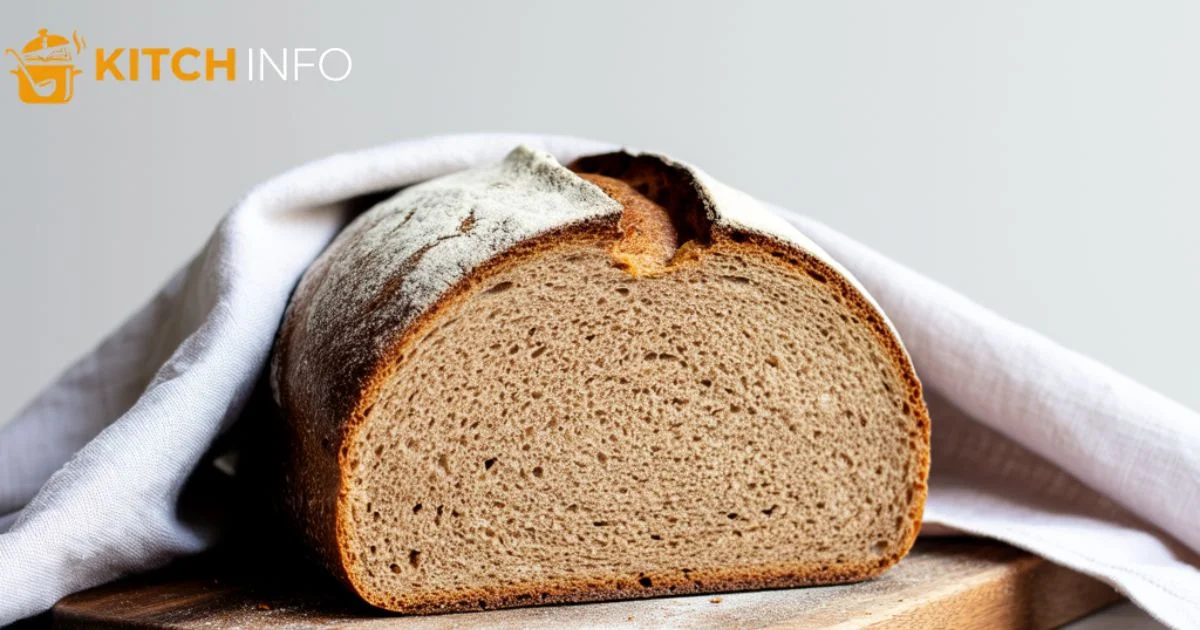
Is sourdough rye bread keto friendly? The short answer is no, because traditional sourdough rye bread is relatively high in carbohydrates, making it unsuitable for a strict ketogenic diet. However, it is still a healthier option than many regular breads due to its natural fermentation, higher fiber content, and lower glycemic index. Is sourdough rye bread keto friendly? While it may fit into a low-carb lifestyle in small portions, it usually exceeds the daily carb limit for keto. If you follow a ketogenic diet, consider low-carb or keto bread alternatives instead. Understanding is sourdough rye bread keto friendly helps you make smarter dietary choices while maintaining your health goals.
Is Sourdough Rye Bread Keto Friendly?
The short answer is no for most people.
A standard slice of sourdough rye bread still contains a significant amount of carbs. Since most keto plans limit daily carbohydrate intake to around 20 to 50 grams, even one or two slices can use up a large portion of that daily allowance.
Many people believe that because sourdough is naturally fermented, it automatically becomes a low carb food. This is a common misunderstanding. The natural bacteria and yeast consume only a small portion of the available sugars during baking preparation. Most of the starch remains in the finished loaf.
The result is a bread that may offer some nutritional advantages over regular bread, but it still contains enough carbs to interfere with ketosis for many people.
Why people often think sourdough is keto
Sourdough has become popular among people following different lifestyle diets because it is often viewed as more natural than factory made bread.
Some people also hear that fermentation lowers the amount of digestible starch. While this is partly true, the reduction is not large enough to transform rye bread into a true keto option.
Another reason for the confusion is that many people compare sourdough to highly processed bread. Since sourdough often has fewer additives and a slower baking process, it earns a healthier reputation. However, healthier and keto approved are not always the same thing.
Can you eat it occasionally?
Whether you can enjoy sourdough rye bread depends on your personal carb limit.
Someone following a relaxed low carb eating style may occasionally include a small slice. However, anyone trying to stay in nutritional ketosis will likely find that traditional rye sourdough makes reaching that goal much harder.
Portion size also matters. Eating a thin slice with a meal is different from eating several large slices as part of breakfast or lunch.
What about other dietary preferences?
Some people wonder if sourdough rye bread works for more than one eating plan.
Many traditional recipes are naturally suitable for a vegan diet because they contain only flour, water, and salt along with the sourdough starter. However, some recipes include ingredients such as milk, yoghurt, egg, honey, or lard, so checking the ingredient list is always important.
If no animal based ingredients are added, the bread is generally considered vegan friendly.
What Makes Sourdough Rye Bread Different from Regular Rye Bread?
Sourdough rye bread and regular rye bread may look similar, but they are made differently. The biggest difference is how the dough rises.
Instead of relying only on commercial yeast, sourdough uses a natural starter filled with wild yeast and beneficial bacteria. This creates a slower fermentation that changes the bread’s flavor, texture, and nutritional profile.
The traditional ingredients
A classic traditional sourdough recipe is surprisingly simple.
It usually contains flour, water, and salt along with a sourdough starter. The starter develops naturally over time and becomes the heart of the bread making process.
Rye bread mainly uses wheat flour alternatives made from rye grain, although many recipes also combine rye with bread flour to improve texture and structure.
Some commercial recipes may also include all-purpose flour to make the loaf lighter and softer.
Rye is still a grain
One important fact many people overlook is that rye is still a grain.
Even though rye differs from white wheat, it naturally contains starch that becomes glucose during digestion. This is one of the main reasons rye bread still contains substantial carbohydrates.
The fermentation changes flavor and texture more than it changes total carb content.
The role of sourdough fermentation
During sourdough fermentation, naturally occurring microbes feed on sugars in the dough.
This slow process creates organic acids that give sourdough its slightly tangy flavor. It also affects how the bread behaves during digestion and can improve shelf life without relying heavily on preservatives.
However, fermentation does not remove enough starch to create a genuinely low carb bread.
Artisan versus commercial bread
There can be noticeable differences between artisan sourdough and commercial sourdough products.
Artisan bakers often allow the dough to ferment much longer, creating richer flavor and better texture.
Commercial bakeries sometimes shorten fermentation to produce bread more quickly. While the loaf may still be labeled as sourdough, the process may not be as traditional.
When shopping for bakery fresh sourdough, it is worth asking how the bread is made. Longer fermentation generally produces better flavor, although it still does not make the bread keto.
Reading food labels
Packaged sourdough rye bread can vary widely between brands.
Always check food labels before buying. Nutrition facts provide the total carbohydrate content, serving size, and fiber amount.
Some products marketed as healthier options still contain nearly the same carb count as regular bread.
Carbs in Sourdough Rye Bread: Does It Fit a Keto Diet?

Carbohydrates are the biggest factor when deciding whether a food belongs in a keto eating plan.
Even though sourdough rye bread has a natural reputation, it remains a relatively high carb food compared with foods normally eaten during ketosis.
Typical carbohydrate content
The exact amount depends on the recipe, but a single slice commonly contains between 15 and 25 grams of carbohydrates.
For someone aiming to stay below 20 to 30 grams each day, one serving can account for most of the daily limit.
This leaves little room for vegetables, berries, or other nutritious foods throughout the day.
Understanding carb levels
Not every bread has identical carb levels.
Some specialty breads reduce carbs by replacing part of the grain with ingredients like almond flour or coconut flour.
These alternatives are much more common in homemade keto baking because they contain fewer digestible carbs than traditional cereal grains.
A true keto bread usually relies heavily on these ingredients instead of rye.
Fiber helps but does not eliminate carbs
Rye naturally contains more fibre than many white breads.
Fiber slows digestion and supports fullness after meals. It also reduces net carbs slightly, depending on how people calculate them.
Still, the remaining digestible carbohydrates are usually high enough that sourdough rye bread does not qualify as a standard keto food.
Glycemic response
Sourdough often has a lower glycaemic index (GI) than ordinary white bread.
This means blood sugar may rise more slowly after eating it.
While this is a positive feature for many people, glycemic index and keto compatibility are not the same thing.
A food can have a lower glycemic impact while still containing too many carbs for ketosis.
Better nutrition does not mean fewer carbs
Rye offers several valuable nutrients, including iron, selenium, and B vitamins.
These nutrients help support normal body functions, including the nervous system, healthy metabolism, and the immune system.
Rye also provides some protein, making it more nutritious than many refined breads.
Even with these benefits, nutritional value does not change the amount of carbohydrates present.
Why Sourdough Fermentation Doesn’t Make Rye Bread Keto

Many people hear that fermentation breaks down carbs and assume the finished bread becomes keto approved.
The truth is more complicated.
Fermentation certainly changes the dough, but it cannot remove enough starch from rye flour to transform it into a low carb food.
What happens during fermentation
The bacteria and yeast consume some natural sugars while the dough rests.
This process creates the characteristic sour flavor and airy texture.
However, most of the starch remains inside the loaf because the microbes cannot completely use all the available carb molecules.
Once baked, much of that starch is still available for digestion.
Fermentation supports digestion
One reason sourdough has become so popular is that many people find it easier on the stomach.
The natural acids produced during fermentation may improve digestion for some individuals.
Certain compounds that can interfere with mineral absorption are also reduced during fermentation, allowing the body to access nutrients more efficiently.
Gut health benefits
Researchers continue studying how sourdough affects gut health.
The fermentation process may encourage compounds that work alongside prebiotics, helping support beneficial gut bacteria.
Although baked bread no longer contains large amounts of living probiotics because of oven temperatures, fermentation still creates changes that many people appreciate.
These benefits are valuable but separate from keto suitability.
Gluten considerations
Some people assume sourdough is naturally gluten-free.
This is not correct when traditional rye or wheat flours are used.
Although fermentation can reduce some gluten components, it does not completely remove them.
People who are gluten-intolerant may tolerate certain sourdough breads better than regular bread, but everyone reacts differently.
Individuals with celiac disease should avoid traditional rye sourdough unless it is specifically made with certified gluten free ingredients.
Dairy concerns
Traditional sourdough recipes are often naturally dairy-free because they contain only basic baking ingredients.
However, flavored or enriched recipes may include dairy ingredients, so ingredient lists should always be checked carefully.
Is Sourdough Rye Bread Better Than White Bread for Keto?
When comparing breads, sourdough rye often comes out ahead in overall nutrition.
However, that does not automatically make it the better keto choice.
Comparing nutrition
Compared with standard white bread, rye sourdough generally contains more fiber, more minerals, and a richer flavor.
Many people also find it more filling, which may help reduce overeating.
Its slower fermentation may also influence how quickly blood sugar rises after meals.
Comparing carbohydrate content
Although rye sourdough may have slight nutritional advantages, the total carbohydrate difference is usually not dramatic enough to change its keto status.
Both types of bread generally contain far more carbs than foods typically recommended during ketosis.
Better options for keto bread lovers
Many bread lovers following keto choose recipes made with nut based or seed based ingredients instead of grains.
These recipes avoid traditional flour and significantly lower the total carbohydrate content.
Many homemade versions are also wheat-free flour based and can fit more comfortably into a healthy diet focused on reducing carbs.
These alternatives often appear in modern keto recipes and provide a familiar bread texture without the large carbohydrate load.
Some are also suitable for people looking for healthy bread choices beyond traditional baking.
Choosing the right bread for your goals
The best bread depends on your personal nutrition goals.
If your priority is strict ketosis, traditional sourdough rye bread is generally not the right choice.
If your goal is simply improving overall eating habits while enjoying flavorful bread, sourdough rye can be a more nutritious option than many refined breads.
People interested in experimenting at home can also explore baking with ancient grains like spelt, although these grains still contain carbohydrates and are not considered keto substitutes.
Others may prefer creating recipes with low carb ingredients while also adapting them for different preferences, including vegan recipes, depending on their dietary needs.
Understanding these differences makes it easier to evaluate bread choices based on your individual health goals, ingredient preferences, and daily carbohydrate targets before exploring lower carb alternatives in greater detail.
Can You Eat Sourdough Rye Bread on a Low Carb Diet?
The answer depends on how strict your eating plan is.
A low carb approach is usually more flexible than a keto lifestyle. While keto aims to keep the body in ketosis by limiting carbs to a very low level, many low carb plans allow a higher daily intake.
If your carb budget is more generous, an occasional slice of sourdough rye bread may fit into your day. The key is balancing the rest of your meals so you do not exceed your personal limit.
Choosing smaller portions can also help. Instead of building a large sandwich, you might enjoy one slice alongside eggs, meat, or a salad. This keeps the meal more balanced while reducing the overall carb intake.
It is also important to pay attention to your own goals. Someone managing blood sugar, maintaining weight, or simply reducing processed foods may make different choices than someone trying to stay in ketosis every day.
Health Benefits of Sourdough Rye Bread Beyond Keto
Even though sourdough rye bread is not usually suitable for keto, it still offers several nutritional advantages for people who are not following a strict ketogenic eating plan.
Rich source of important nutrients
Rye naturally provides a variety of vitamins and minerals that support overall wellness.
These nutrients help the body produce energy, maintain healthy cells, and support many daily functions. Whole grain rye also contains more naturally occurring nutrients than many highly refined breads.
Supports fullness
Sourdough rye bread is often more satisfying than soft white sandwich bread.
Its dense texture and fiber content may help people stay full longer after meals. Feeling satisfied can make it easier to avoid unnecessary snacking throughout the day.
For people working toward weight loss, this can be a helpful part of an overall balanced eating plan, although no single food guarantees results.
May be easier to digest
The slow fermentation used to make sourdough changes the structure of the dough.
Many people report that sourdough feels gentler on their stomach than regular bread. While experiences vary from person to person, the traditional preparation method is one reason sourdough remains popular among home bakers and professional bakers alike.
A flavorful choice
One of the biggest reasons people enjoy sourdough rye bread is its taste.
Its slightly tangy flavor and hearty texture pair well with soups, sandwiches, and breakfast meals. For those who are not restricting carbohydrates, it can be an enjoyable addition to a balanced diet.
Best Keto Friendly Alternatives to Sourdough Rye Bread
If you want to stay in ketosis without giving up bread completely, there are several better choices available.
Almond flour bread
Bread made primarily from almond flour is one of the most popular keto options.
It is naturally lower in digestible carbohydrates while providing healthy fats and a soft texture. Many homemade recipes are simple enough for beginners.
Coconut flour bread
Coconut flour is another favorite ingredient for low carb baking.
Because it absorbs a large amount of moisture, recipes usually require different ingredient ratios than traditional bread. The finished loaf is often light and works well for toast or sandwiches.
Seed based bread
Many keto breads rely on seeds such as flaxseed, sunflower seeds, or chia seeds.
These breads usually provide healthy fats and fiber while keeping carbohydrate levels much lower than grain based breads.
Lettuce wraps and bread substitutes
Not every meal needs bread.
Large lettuce leaves can replace sandwich bread, while grilled vegetables can serve as a base for burgers or other fillings. These simple swaps help reduce carbs without sacrificing flavor.
Homemade options
Making bread at home gives you complete control over the ingredients.
You can choose recipes that match your nutrition goals while avoiding unnecessary starches or added sugars that are sometimes found in packaged products.
Tips for Eating Bread While Staying in Ketosis
If bread is one of the foods you miss most, a few practical habits can make staying on track much easier.
Choose bread that is specifically made for keto instead of assuming healthier sounding bread is low in carbs.
Read nutrition labels carefully and pay attention to serving sizes. A small slice may contain fewer carbs than you expect, while a thick slice can contain much more.
Build meals around protein, healthy fats, and nonstarchy vegetables first. If bread is included, treat it as a small part of the meal rather than the main feature.
Plan ahead before eating at restaurants or bakeries. Looking at menus in advance makes it easier to choose meals that support your goals.
Finally, remember that consistency matters more than perfection. Occasional choices do not define long term success, but understanding how different foods fit into your eating plan helps you make informed decisions.
Conclusion
Sourdough rye bread has earned its reputation as a flavorful and nutritious bread, but it is not the best fit for a strict keto lifestyle. Although natural fermentation offers several benefits and may improve flavor, texture, and digestibility, it does not remove enough carbohydrates to make traditional rye bread a true keto food.
For people following a low carb eating plan with more flexibility, an occasional small serving may fit within daily goals. However, anyone trying to maintain ketosis consistently will usually be better served by choosing bread made from low carb ingredients instead of traditional grains.
The most effective approach is to match your bread choice with your personal nutrition goals. By understanding how sourdough rye bread compares with keto alternatives, you can enjoy meals that support your health while making informed decisions that fit your lifestyle.
FAQS
Can I eat sourdough bread on a ketogenic diet?
Traditional sourdough bread is generally not suitable for a ketogenic diet because it is still high in carbohydrates and may interrupt ketosis.
Is sourdough good for people with high cholesterol?
Sourdough can be part of a heart healthy diet, especially whole grain varieties, but cholesterol management depends on your overall eating habits
Can Hashimoto’s eat sourdough bread?
Many people with Hashimoto’s can eat sourdough bread unless they have gluten sensitivity or have been advised by their healthcare provider to avoid gluten.
Is rye bread ok for kidney disease?
It depends on the stage of kidney disease and individual dietary needs, so it is best to follow advice from a healthcare provider or registered dietitian.
Who should not eat rye bread?
People with celiac disease, rye allergy, or certain gluten related disorders should avoid traditional rye bread.

Muhammad Ali writes about baking and recipes at kitchinfo. He researches techniques from trusted bakers, cookbooks, and culinary experts, and turns them into clear, step-by-step guides . so bakers of every skill level can get great results without the confusion.