

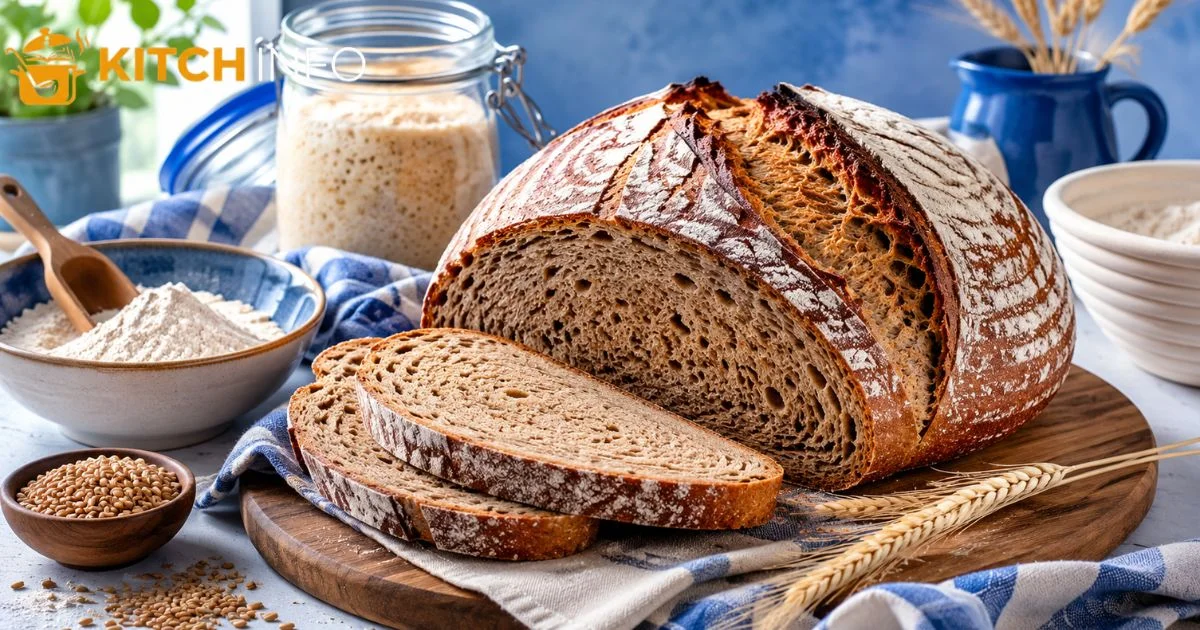
If you are wondering how to make sourdough rye bread, you are about to discover a rewarding baking method that creates rich flavor, a crisp crust, and a soft interior using simple ingredients and natural fermentation. A well made homemade bread combines rye flour bread with a healthy active sourdough starter to produce a delicious loaf that is both hearty and satisfying. Whether you want a flavorful sourdough loaf for family meals or a classic rustic bread for special occasions, this guide will walk you through every step. From choosing the right ingredients to mastering fermentation and baking, you will learn how to make bakery quality bread confidently in your own kitchen.
What Is Sourdough Rye Bread?
Sourdough rye bread is bread made with rye flour and a naturally fermented starter instead of commercial yeast. The fermentation process happens slowly as wild yeast and beneficial bacteria work together to help the dough rise while creating complex flavors.
Traditional rye breads have been baked across Europe for hundreds of years. Today, American home bakers enjoy making them because they offer excellent flavor, a satisfying texture, and a more hands on baking experience.
Unlike standard white bread, rye contains less gluten. That means the dough feels different during mixing and shaping. It may seem softer or stickier, but that is completely normal. Understanding these characteristics makes baking much easier.
A well baked loaf has a beautiful aroma, a pleasantly chewy bite, and a rich earthy flavor that many people love.
How Rye Flour Changes Bread
The biggest difference between rye and wheat is gluten strength.
Wheat creates strong gluten networks that trap gases during fermentation. Rye develops much weaker gluten, so the dough depends more on careful fermentation and gentle handling.
This gives the finished loaf its unique personality. Instead of a light white loaf, you get a flavorful bread with a tender interior and excellent moisture.
The amount of rye used also changes the final bread. Some recipes use only a small percentage, while others contain mostly rye flour.
What Makes Sourdough Different?
Natural fermentation creates flavor over many hours rather than forcing the dough to rise quickly.
The friendly microorganisms inside an active sourdough starter consume sugars in the flour and produce gases that lift the dough naturally.
During this slow process, the bread develops a mild tang, improved texture, and a more interesting aroma than many fast yeast breads.
Many bakers also appreciate that naturally fermented bread stays fresh longer without relying on preservatives.
Why Make Sourdough Rye Bread at Home?
Home baking offers advantages that go far beyond saving money. Every loaf becomes an opportunity to improve your skills while enjoying fresh bread straight from the oven.
Better Flavor
One of the biggest reasons people choose homemade rye sourdough bread is taste.
Slow fermentation allows flavors to develop naturally. Instead of tasting flat, the loaf has gentle acidity, earthy notes from the rye, and subtle sweetness from the grains.
Many bakers describe the flavor as rich, balanced, and satisfying without being overwhelming.
Fresh Ingredients
When baking at home, you know exactly what goes into your dough.
You can choose fresh flour, quality salt, clean water, and your favorite sweetener if the recipe includes one. There are no unnecessary preservatives or artificial additives.
This gives you complete control over the finished loaf.
A Rewarding Baking Experience
Watching dough transform over many hours teaches patience.
From mixing ingredients to seeing the loaf rise in the oven, every step helps you understand how bread works.
Over time, you become more confident in reading the dough instead of depending only on the clock.
Great for Everyday Meals
A homemade loaf is incredibly versatile.
You can slice it for breakfast toast, use it for grilled cheese, prepare deli style lunches, or serve it with soup and salad.
Many families enjoy keeping a loaf on the counter throughout the week because it works well for so many meals.
A Traditional Baking Method
Natural fermentation has been used for thousands of years.
Learning this method connects modern bakers with generations of traditional bread makers who relied on simple ingredients and careful techniques instead of commercial yeast.
Many people enjoy the slower pace and the satisfaction that comes from baking bread completely from scratch.
Ingredients to Make Sourdough Rye Bread

Making excellent bread starts with choosing the right ingredients.
Every ingredient has an important job, and even small changes can affect flavor, texture, and fermentation.
Rye Flour
The star ingredient is rye flour.
Different types are available, including light rye flour and medium rye flour. Lighter varieties create a softer loaf, while darker flours provide stronger earthy flavor.
Fresh flour always gives the best results because it contains more natural aroma.
Bread Flour
Most successful recipes combine rye with bread flour.
This flour contains more protein than all purpose flour, helping create stronger dough that rises better.
Many bakers prefer high protein bread flour because it provides better structure while still allowing the rye flavor to shine.
Whole Wheat Flour
Some recipes include a small amount of whole wheat flour.
It adds flavor, nutrients, and helps create a fuller tasting loaf without overpowering the rye.
Used in moderation, it complements the overall balance of the bread.
Active Starter
A healthy sourdough starter is essential.
It should be bubbly, active, and able to double after feeding before mixing the dough.
A weak starter often leads to slow fermentation and dense bread.
Water
Water hydrates the flour and activates fermentation.
Room temperature water usually works well for most kitchens, although slight adjustments may be needed depending on seasonal temperatures.
Salt
Fine sea salt strengthens dough, controls fermentation speed, and improves flavor.
Without enough salt, bread can taste flat and ferment too quickly.
Honey
Some bakers like adding a small amount of honey.
It contributes gentle sweetness while helping balance rye’s naturally earthy flavor.
Although optional in many recipes, it creates a pleasant depth without making the bread sweet.
How to Make Sourdough Rye Bread
Making excellent bread is easier when each stage receives proper attention.
Instead of rushing, focus on observing the dough as it changes throughout fermentation.
Step 1. Mix the Dough
Begin by combining your flours, starter, water, and salt.
The mixture often starts as a shaggy dough, which is completely normal.
After everything is evenly combined, let the dough rest before additional handling.
This resting period allows the flour to absorb water naturally.
Step 2. Allow Autolyse
Many bakers include an autolyse period before fully developing the dough.
During this short rest, the flour absorbs moisture, making the dough easier to handle later.
Even twenty to thirty minutes can noticeably improve dough texture.
Step 3. Develop Strength
Unlike white bread, rye requires gentle handling.
Instead of heavy kneading, many bakers perform several rounds of stretch and folds during the first part of fermentation.
This method gradually improves gluten development without overworking the dough.
As time passes, the dough becomes more organized and easier to manage.
Step 4. Bulk Fermentation
Next comes bulk fermentation, sometimes called the bulk ferment.
This is when the dough rests as fermentation continues.
The exact fermentation time depends on room temperature, starter strength, and flour choice.
During this stage, the dough gradually becomes more airy and active.
Rather than watching the clock, watch for a dough that feels softer and shows visible expansion.
A properly fermented dough often appears as a puffy dough with gentle bubbles beginning to form.
Step 5. Pre Shape
Turn the dough onto a lightly floured work surface.
Use a bench scraper if necessary to help move the dough without tearing it.
Perform a gentle pre shape and allow it to rest briefly.
This short rest helps the dough relax before the final shaping.
Step 6. Shape the Dough
Now complete the final dough shaping.
Aim for even surface tension without pressing out too much gas.
Many bakers prefer creating an oval loaf, although a round loaf also works well.
The goal is to create a loaf that holds its shape during proofing and baking.
Step 7. Final Proof
Place the shaped loaf into a floured proofing basket.
An oval banneton works especially well for elongated loaves.
This stage is called the final proof or final rise.
Some bakers leave the dough at room temperature, while others choose an overnight proof in the refrigerator.
A cool cold proof often improves flavor while making the dough easier to score before baking.
Step 8. Prepare for Baking
Preheat your oven thoroughly before baking.
Many home bakers use parchment paper to transfer the loaf safely.
Immediately before baking, make decorative cuts using proper bread scoring techniques.
A sharp bread lame helps create clean cuts that guide expansion during baking.
Good dough scoring allows controlled expansion while producing an attractive finished loaf.
Step 9. Bake the Bread
Many bakers prefer to bake in Dutch oven because the enclosed environment traps steam naturally.
A heavy Dutch oven or even a Challenger Bread Pan creates excellent baking conditions.
Steam encourages better oven spring, helping the loaf rise before the crust sets.
As baking continues, the loaf develops a beautiful golden brown crust that gradually becomes darker and richer.
The finished bread often has a crisp crust with an attractive crackly crust and, in many cases, a lightly blistered crust.
Inside, you should find a moist crumb with a pleasant chewy crumb that slices cleanly once completely cooled.
Always allow the bread to cool fully on a cooling rack before cutting.
Slicing too early releases steam and can leave the interior gummy.
Best Flour Ratio for Sourdough Rye Bread

Choosing the right flour ratio is one of the most important decisions when making rye bread.
Too little rye may not deliver enough flavor, while too much can make the dough difficult to handle for beginners.
The ideal balance depends on your baking experience and the style of bread you want to create.
For Beginners
A blend of about 20 to 30 percent rye and 70 to 80 percent wheat flour is an excellent starting point.
This combination produces reliable structure while still giving noticeable rye flavor.
The dough behaves similarly to traditional wheat dough, making it easier to learn proper fermentation and shaping.
For Intermediate Bakers
Increasing rye to around 40 to 50 percent creates a more pronounced flavor.
The dough becomes softer because rye has low gluten, so gentle handling becomes increasingly important.
Although shaping requires more attention, the finished loaf rewards you with deeper character and a richer aroma.
For Experienced Bakers
Higher rye percentages create truly traditional loaves.
These recipes require careful attention because the dough relies less on gluten strength and more on proper fermentation.
The result is a flavorful artisan rye bread with remarkable depth and a wonderfully rustic appearance.
Understanding Dough Hydration
Rye absorbs water differently from wheat.
Finding the right dough hydration is essential for producing a dough that is workable without becoming overly stiff.
At first, the mixture may seem like a sticky dough or even a wet dough, but that does not necessarily mean extra flour should be added.
As fermentation continues, the flour absorbs more moisture and the dough becomes easier to manage.
Choosing the Right Balance
Many home bakers eventually settle on a blend that matches their personal taste.
Some enjoy a lighter loaf with more wheat, while others prefer stronger rye flavor and denser texture.
Keeping notes after every bake makes it easier to fine tune future recipes.
With a solid understanding of flour ratios and dough behavior, the next stage of the process focuses on mastering fermentation, baking techniques, and achieving consistently excellent results.
Tips for Perfect Sourdough Rye Bread

Baking great bread becomes easier with practice, but a few simple habits can make a big difference from the very beginning.
Feed Your Starter on Time
Your starter should be active before you mix the dough.
If it has not been fed recently or has become sluggish, give it enough time to become bubbly and strong. A healthy starter helps produce a loaf with better flavor and a lighter texture.
Watch the Dough Instead of the Clock
Every kitchen is different.
Warm rooms speed up fermentation, while cooler temperatures slow it down. Learn to recognize when the dough has expanded and feels lively instead of relying only on the recipe’s suggested timing.
Handle the Dough Gently
Rye dough benefits from a light touch.
Avoid pressing out all of the air that develops during fermentation. Gentle handling helps the loaf bake with a more open interior and a pleasant texture.
Preheat Everything Well
A fully heated oven is important for consistent baking.
Give your baking vessel enough time to become thoroughly hot before placing the dough inside. This helps the loaf rise well during the first part of baking and creates an attractive crust.
Let the Bread Cool Completely
Fresh bread smells amazing, but cutting it too soon can affect the texture.
Waiting until the loaf has cooled allows the inside to finish setting. The slices will be cleaner, and the flavor will continue to develop as the bread rests.
Common Mistakes to Avoid When Making Sourdough Rye Bread
Even experienced bakers occasionally run into problems. Knowing what to avoid can save time and improve your results.
Using an Inactive Starter
A weak starter cannot produce enough natural lift.
If your starter does not become bubbly after feeding, give it more time and continue regular feedings before baking.
Adding Too Much Flour
Many beginners worry when the dough feels soft.
Adding large amounts of extra flour can make the finished loaf dry and heavy. Follow the recipe closely and remember that rye dough naturally feels different from white bread dough.
Under Fermenting the Dough
If fermentation ends too early, the bread may be dense with limited flavor.
Allow enough time for the dough to become noticeably expanded before moving to the next step.
Over Fermenting the Dough
Too much fermentation can weaken the dough.
An over fermented loaf may spread during baking and lose its shape. Finding the right balance comes with observation and experience.
Poor Scoring
Cuts that are too shallow or uneven may prevent the loaf from expanding properly.
Practice making confident, clean cuts just before baking. Good scoring helps direct the natural expansion of the bread.
Cutting While Hot
Although it is tempting to slice fresh bread immediately, patience produces better results.
Cooling completely helps preserve the structure of the loaf and prevents a gummy interior.
How to Store Sourdough Rye Bread
Proper storage helps keep your bread fresh for several days without sacrificing quality.
Store at Room Temperature
Once the bread has cooled, place it in a paper bag or bread box.
This keeps the crust from becoming too soft while protecting the loaf from drying out too quickly.
Avoid Refrigeration
For most homes, the refrigerator is not the best place for fresh bread.
Cold temperatures can make bread become stale faster than storing it at room temperature.
Freeze for Longer Storage
If you baked more than you can eat within a few days, freezing works very well.
Slice the loaf before freezing so you can remove only the amount you need. Wrap the bread tightly to reduce freezer burn.
Refresh Before Serving
If the crust softens after storage, place the loaf in a warm oven for a few minutes.
This simple step helps restore a crisp exterior while warming the inside.
Frequently Asked Questions About How to Make Sourdough Rye Bread
Is sourdough rye bread harder to make than white sourdough?
It can be slightly more challenging because rye behaves differently than wheat. However, once you understand fermentation and gentle handling, it becomes much easier to achieve consistent results.
Can beginners make sourdough rye bread?
Yes. Starting with a moderate amount of rye flour makes the process much more approachable. As your confidence grows, you can gradually increase the percentage of rye in future loaves.
Why is my loaf dense?
A dense loaf is often caused by an inactive starter, not allowing enough fermentation time, or adding too much extra flour during mixing.
How long does homemade sourdough rye bread stay fresh?
When stored properly at room temperature, it usually stays fresh for several days. Many people find that the flavor becomes even better on the second day.
Can I freeze sourdough rye bread?
Yes. Freezing is an excellent way to preserve freshness. Wrap the loaf well and thaw slices as needed for quick meals.
Does sourdough rye bread taste very sour?
Not necessarily.
The flavor depends on your starter, fermentation time, and recipe. Most loaves have a mild tang that complements the natural richness of the rye instead of overpowering it.
What foods pair well with sourdough rye bread?
It pairs beautifully with butter, cream cheese, smoked fish, eggs, roasted vegetables, soups, hearty stews, and deli style sandwiches. It also makes excellent toast for breakfast.
Final Thoughts on How to Make Sourdough Rye Bread
Learning how to make sourdough rye bread is a skill that becomes more enjoyable with every loaf you bake. Each batch teaches you something new about fermentation, dough handling, and baking, helping you grow more confident over time.
The key is to focus on quality ingredients, a healthy starter, careful observation, and patience throughout the process. Small improvements with each bake often lead to consistently excellent results.
Do not worry if your first loaf is not perfect. Every experienced baker has learned through practice, and each bake provides valuable experience that carries into the next one.
With the techniques covered throughout this guide, you have everything you need to begin baking flavorful sourdough rye bread at home. Take your time, enjoy the process, and soon you will be serving fresh, homemade loaves that are every bit as satisfying as those from a professional bakery.

Muhammad Ali writes about baking and recipes at kitchinfo. He researches techniques from trusted bakers, cookbooks, and culinary experts, and turns them into clear, step-by-step guides . so bakers of every skill level can get great results without the confusion.