

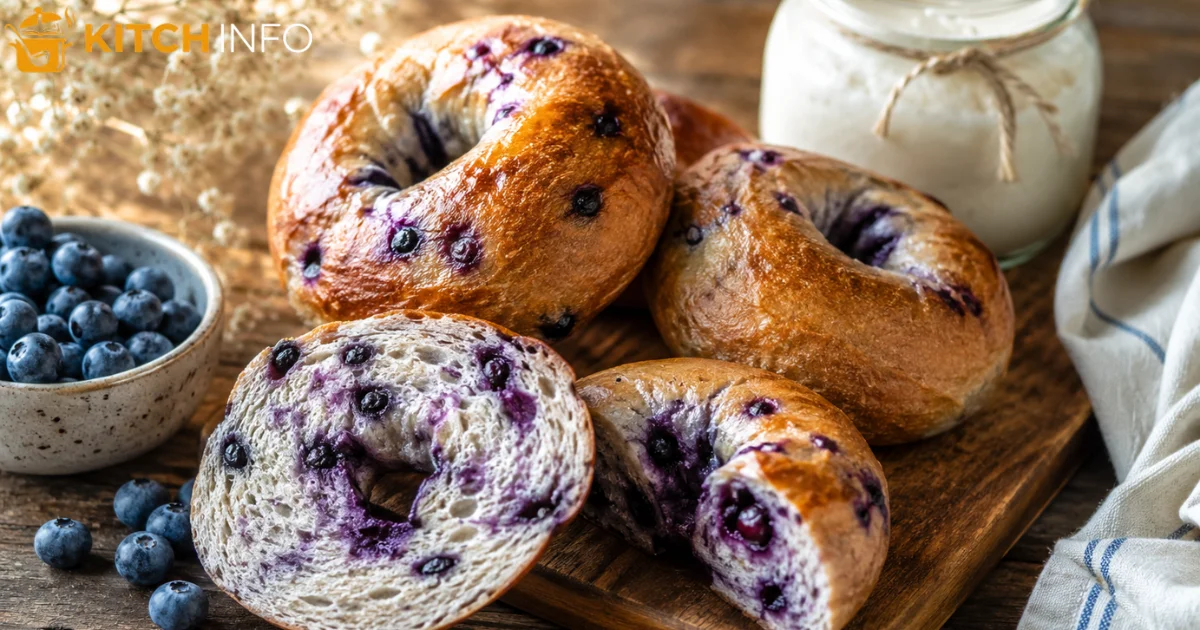
Blueberry sourdough bagels are a delicious twist on traditional bagels, combining the tangy flavor of sourdough with the natural sweetness of juicy blueberries. Made with an active sourdough starter, these homemade bagels offer a chewy texture, crisp crust, and rich flavor that stands out from regular bagels. Blueberry sourdough bagels are perfect for breakfast, brunch, or a healthy snack and pair wonderfully with cream cheese, butter, or honey. They also provide the benefits of natural fermentation, making them easier to digest for many people. Whether you’re baking from scratch or looking for a unique breakfast treat, blueberry sourdough bagels are a flavorful and satisfying choice.
What Makes Blueberry Sourdough Bagels Special?
Blueberry bagels have been popular in the United States for years, especially as a breakfast favorite. Adding sourdough transforms them into something even more flavorful. The long fermentation creates a depth that cannot be achieved with fast rising dough alone.
Instead of tasting overly sweet, these bagels have layers of flavor. The slight tang from the starter complements the natural sweetness of the berries, making every bite balanced rather than sugary.
Naturally developed flavor
One of the biggest advantages of sourdough is the slow fermentation process. As the dough rests, natural yeast and beneficial bacteria work together to create complex flavors that become richer over time.
The finished bagels have a pleasant tangy sourdough flavor that pairs perfectly with blueberries. This balance keeps the bagels enjoyable whether you eat them plain or topped with cream cheese, butter, or fruit preserves.
A texture that stands out
Many people expect bagels to be dense, but a well made sourdough version feels pleasantly chewy without becoming heavy.
The outside develops a light crispy crust while the inside remains a soft interior that stays moist even after cooling. This combination gives homemade bagels their signature appeal.
When baked properly, the crust also develops a beautiful golden brown crust, making the bagels look just as inviting as they taste.
Better fermentation
Traditional sourdough relies on natural fermentation rather than depending entirely on commercial yeast. During this process, the dough develops flavor slowly while becoming easier to handle.
Many people appreciate fermented dough because the extended resting time changes both flavor and texture in ways that quick recipes simply cannot match.
A satisfying breakfast option
Fresh bagels are filling enough for busy mornings while remaining versatile enough for many toppings.
These blueberry breakfast bagels taste wonderful with butter, whipped cream cheese, honey, almond butter, or even a little peanut butter. They also make delicious breakfast sandwiches with eggs for anyone who prefers a savory meal.
Why many bakers prefer sourdough
Some people enjoy sourdough because they find it easy to digest compared to quickly made bread. During fermentation, the starter naturally breaks down some components of the flour, which many bakers appreciate.
Although research into digestive benefits continues, many home bakers also value sourdough because it contains naturally occurring probiotics during fermentation before baking, making the process itself unique and rewarding.
Homemade quality every time
Making your own bagels allows you to control every ingredient. You decide how sweet they become, which berries you use, and how long the dough ferments.
The finished result feels closer to homemade bakery style bagels than anything found in a grocery store.
Ingredients You’ll Need

Great bagels begin with quality ingredients. Since the recipe contains relatively few components, each one plays an important role in flavor, texture, and structure.
The following table explains why every ingredient matters.
| Ingredient | Purpose |
| Bread flour | Creates the strong gluten structure needed for chewy bagels. |
| Active sourdough starter | Provides natural fermentation and develops flavor. |
| Filtered water | Helps maintain a healthy fermentation environment. |
| Sea salt | Strengthens the dough while enhancing flavor. |
| Cane sugar | Adds mild sweetness and supports fermentation. |
| Fresh blueberries | Provide juicy bursts of fruit throughout the dough. |
| Vanilla extract | Adds gentle warmth that complements blueberries. |
| Honey | Sweetens the boiling water for improved crust color. |
Bread flour creates the right chew
A strong flour is one of the biggest secrets behind successful bagels.
The higher protein content in bread flour develops stronger gluten, creating the classic chewy bite that bagel lovers expect.
Although some recipes use all purpose flour, the finished texture usually becomes softer and less chewy.
Active sourdough starter
A healthy active sourdough starter should be bubbly, pleasantly sour, and able to double after feeding.
Look for a bubbly starter before mixing your dough. This shows that the natural yeast is active and ready to provide a strong rise.
Water matters
Many experienced bakers prefer filtered water because chlorine found in some tap water may slow fermentation.
The water should also be close to lukewarm water temperature, making it comfortable for the starter without becoming hot enough to damage the natural yeast.
Sweeteners
A small amount of cane sugar helps balance the slight sourness of the dough while supporting fermentation.
Some bakers enjoy replacing part of it with brown sugar, which adds a deeper caramel note.
During boiling, many recipes add honey to the water. This contributes to a rich color during baking and supports crust development.
Salt
Do not skip sea salt.
Salt strengthens gluten, controls fermentation, and brings all the flavors together. Without enough salt, bagels often taste flat.
Choosing the best blueberries
You have several good options when selecting berries.
Fresh blueberries offer bright flavor and maintain their shape well.
Frozen blueberries are available year round and work beautifully if they remain frozen until folding them into the dough.
Some bakers also enjoy using dehydrated blueberries, which provide concentrated flavor while releasing very little moisture.
Flavor additions
A small amount of vanilla extract enhances the natural sweetness of the berries without overpowering the sourdough.
The finished bagels taste balanced rather than overly sweet.
Preparing the Sourdough Starter

A healthy starter is the foundation of successful bagels. Even the best ingredients cannot compensate for a weak starter that lacks activity.
Preparing your starter correctly increases your chances of producing well risen bagels with excellent flavor.
Feed your starter ahead of time
Most bakers feed their starter several hours before mixing the dough.
The exact timing depends on room temperature, but you generally want the starter to reach its highest point before using it.
It should appear airy, expanded, and full of tiny bubbles.
Know when it is ready
Your starter is usually ready when it has doubled in size and shows lots of activity.
It should smell pleasantly tangy without any unpleasant odors.
If it has already collapsed significantly, it may have passed its peak and should be fed again.
Maintain consistency
A consistent feeding schedule creates reliable baking results.
Whether you bake weekly or monthly, keeping your starter healthy helps ensure dependable fermentation every time.
Can you use sourdough discard?
Many home bakers wonder whether sourdough discard can replace an active starter.
Discard can certainly be used in many recipes, including sourdough discard bagels, but the dough usually requires additional leavening if the discard is no longer active.
Some recipes include active dry yeast to help compensate for reduced natural activity.
For this recipe, however, a fully active starter produces the best flavor and texture.
How to Make Blueberry Sourdough Bagels

The overall process is straightforward when broken into manageable steps.
Working patiently through each stage allows the dough to develop its full flavor while producing beautifully shaped bagels.
Mix the dough
Begin by combining the starter, water, sugar, vanilla, and flour.
Next, add the salt before gently incorporating the blueberries.
When you mix the dough, avoid crushing the berries too much. Keeping them mostly intact helps preserve their shape and color.
Knead until smooth
The dough should feel firm rather than loose.
You can knead the dough by hand or use a stand mixer fitted with a dough hook.
Bagel dough is naturally a low hydration dough, meaning it contains less water than many other bread recipes.
Because of this lower dough hydration, the dough feels much firmer than sandwich bread dough.
If it seems slightly stiff, that is perfectly normal.
Understanding dough consistency
Many beginners worry when their dough feels firm.
A stiff dough creates the dense chew associated with traditional bagels.
If your dough becomes a sticky dough, avoid adding large amounts of flour immediately. Allow a short resting period before making adjustments, as the flour continues absorbing moisture.
First fermentation
Place the dough into a lightly covered bowl for the bulk rise.
During the first rise, the dough slowly develops flavor rather than rapidly increasing in size.
Unlike sandwich bread, bagel dough may not double dramatically, especially in cooler kitchens.
Folding in blueberries carefully
Blueberries require gentle handling.
If they burst too early, they can color the dough purple.
To prevent purple dough, fold the berries in gradually with light pressure.
When using frozen fruit, keep it frozen until mixing to help prevent blueberries from bursting.
Divide the dough
Once fermentation is complete, divide the dough into equal portions.
Using a bench scraper makes dividing cleaner and helps maintain even sizes.
Equal portions bake more evenly and produce professional looking bagels.
Shape the bagels
Each piece should first become a smooth ball.
Then create the classic bagel shape by gently stretching the center opening.
As you shape the bagels, avoid making the center hole too small because it will shrink during proofing and baking.
Some bakers like using a rolling pin for certain shaping methods, but hand shaping usually provides better control.
Final proof
Arrange the shaped bagels on parchment paper placed over a baking sheet.
Allow them to rest while they complete their final proof.
They should become slightly puffy without over expanding.
Boil before baking
One step separates bagels from ordinary bread.
Always boil the bagels before they enter the oven.
Prepare a large pot of boiling water, adding honey if desired.
The brief water bath creates the classic chewy exterior that defines authentic bagels.
Each bagel usually needs less than a minute per side.
Bake until perfectly colored
Transfer the boiled bagels back onto the baking sheet.
Bake until the tops become evenly browned.
Continue baking until they are golden brown, watching carefully during the final few minutes.
The finished bagels should have a pleasantly chewy texture with an attractive crust.
Tips for the Best Results

Small adjustments can make a noticeable difference in both flavor and appearance.
These practical tips help create dependable results every time you bake.
Measure ingredients accurately
Using a kitchen scale provides much more consistent results than measuring cups.
Even small differences in flour can affect dough consistency.
Be patient with fermentation
Temperature affects every sourdough recipe.
If your kitchen is cooler, fermentation may simply require more time.
Avoid rushing the process.
Do not overload the dough
Too many blueberries make shaping difficult.
A balanced amount allows the dough to maintain structure while still delivering plenty of fruit flavor in every bite.
Watch for rising issues
If your bagels not rising properly, first check your starter.
An inactive starter is the most common cause of slow fermentation.
Also verify that your dough remained warm enough throughout the rising period.
Consider equipment options
Most people mix bagel dough by hand or with a mixer.
Some bakers successfully prepare the initial mixing stage using a bread machine on the dough cycle, finishing the shaping and boiling by hand for better control.
Enjoy them fresh
Nothing compares to fresh blueberry bagels shortly after cooling.
Allow them to cool before slicing so the crumb can fully set.
Warm bagels sliced too early may become gummy inside.
Toast leftovers
The next day, toasted bagels develop an even richer flavor with crisp edges and a soft center.
They pair wonderfully with butter, cream cheese, or your favorite fruit spread.
Storing your bagels
Keep bagels in a sealed container for short term storage.
For slightly longer storage, you may store in the fridge, although room temperature often preserves texture better for the first day or two.
Freezing for later
If you bake a large batch, simply freeze bagels after they cool completely.
Place them inside a freezer bag, removing as much air as possible before sealing.
Whenever you are ready to enjoy one, simply reheat bagels in a toaster or warm oven until heated through.
As you become comfortable with these techniques, you will be ready to explore additional variations, timing options, and serving ideas that make homemade sourdough bagels even more enjoyable.
Baking Timeline
Planning your baking schedule makes the entire process much easier. Since sourdough relies on fermentation, it helps to know what to expect before you begin. The exact timing will vary depending on the temperature in your kitchen and the strength of your starter, but the outline below works well for many home bakers.
| Time | Step |
| Morning | Feed the starter and allow it to become active. |
| Early afternoon | Prepare and knead the dough. |
| Afternoon to evening | Let the dough ferment until ready. |
| Evening | Shape the bagels and let them rest. |
| Night | Boil and bake, or refrigerate for baking the next morning if preferred. |
If you have a busy weekday schedule, you can spread the work across two days. Many bakers enjoy mixing the dough one day and baking the following morning. This slower approach often develops even more flavor.
For those who need fresh bagels in less time, there are recipes designed as same day sourdough bagels. While they reduce the overall waiting period, they still provide much of the rich flavor people expect from sourdough.
Variations and Flavor Ideas
One of the best parts of baking at home is making the recipe your own. Once you are comfortable with the basic method, you can experiment with different flavors while keeping the same dependable dough.
Add warm spices
Ground cinnamon pairs naturally with blueberries and gives the bagels a cozy flavor that is especially enjoyable during cooler months.
A small pinch of nutmeg can also add warmth without overpowering the fruit.
Try different sweet additions
White chocolate chips can make the bagels feel more like a special breakfast treat.
A light sprinkle of coarse sugar on top before baking creates a delicate crunch.
Mix in citrus
Fresh lemon zest brightens the blueberry flavor and gives each bite a refreshing finish.
Orange zest also works well for a slightly sweeter citrus note.
Make them more rustic
If you enjoy traditional bakery bread, shape each bagel slightly larger with a thicker ring.
This style creates beautiful artisan bagels with a hearty appearance and a generous chewy bite.
Keep the flavor naturally balanced
The beauty of sourdough is that it never hides the fruit. The mild sweetness of blueberries blends naturally with the dough instead of overwhelming it.
That balance is one reason many people love naturally leavened bagels for everyday breakfasts.
How to Store and Freeze
Freshly baked bagels taste their best on the day they are baked, but proper storage helps preserve both texture and flavor.
Allow the bagels to cool completely before placing them into an airtight container. Trapping steam inside the container can soften the crust.
At room temperature, they generally stay enjoyable for up to two days.
For longer storage, slice each bagel before freezing. This makes it much easier to toast directly from frozen without waiting for it to thaw.
Wrap each bagel individually or separate them with parchment paper before placing them into an airtight freezer container. This prevents them from sticking together.
When you are ready to enjoy one, thaw it at room temperature for a short time or place the frozen halves directly into a toaster or warm oven until heated through.
Properly frozen bagels maintain good quality for several months, making them an excellent choice for meal preparation.
Serving Suggestions
These bagels are delicious on their own, but they also pair well with a wide variety of spreads and toppings.
Classic plain cream cheese remains one of the most popular choices because it balances the fruit without competing with it.
Honey butter creates a lightly sweet breakfast that children and adults both enjoy.
For extra protein, spread almond butter or peanut butter over a warm bagel and top it with sliced bananas.
Greek yogurt mixed with a little honey also makes a creamy topping with fresh flavor.
If you prefer a savory breakfast, pair a toasted bagel with scrambled eggs and mild cheese. The sweet blueberries create an enjoyable contrast with savory ingredients.
These bagels also work well as part of a weekend brunch served alongside fresh fruit, yogurt, and hot coffee.
Conclusion
Making blueberry sourdough bagels at home is a rewarding baking project that combines simple ingredients with careful technique. From preparing a healthy starter to shaping, boiling, and baking each bagel, every step contributes to the rich flavor, chewy texture, and beautiful crust that make homemade bagels so satisfying.
With a little practice, the process becomes easy to repeat, allowing you to enjoy fresh bagels whenever you like. Whether served warm with cream cheese, toasted for a quick breakfast, or shared with family during a weekend brunch, these homemade bagels deliver the comforting taste and quality that only home baking can provide.
Once you master this recipe, you will have the confidence to bake delicious bagels that are every bit as enjoyable as those from a local bakery, while adding your own personal touch to every batch.
FAQS
Can I use fresh blueberries in sourdough bagels?
Yes, you can use fresh blueberries, but fold them gently to avoid bursting and coloring the dough.
Is Costco blueberry sourdough real sourdough?
Costco blueberry sourdough may not always be true sourdough unless it is made with a naturally fermented starter.
Are sourdough bagels healthier than regular?
Sourdough bagels may be easier to digest and have more complex flavor, but they are not automatically healthier than regular bagels.
Why don’t my blueberry bagels taste like blueberry?
Your blueberry bagels may lack flavor if you use too few blueberries or if the fruit flavor is diluted during baking.
When to add blueberries into bagel dough?
Add blueberries after the dough is mixed and developed to help prevent crushing and uneven distribution.

Muhammad Ali writes about baking and recipes at kitchinfo. He researches techniques from trusted bakers, cookbooks, and culinary experts, and turns them into clear, step-by-step guides . so bakers of every skill level can get great results without the confusion.